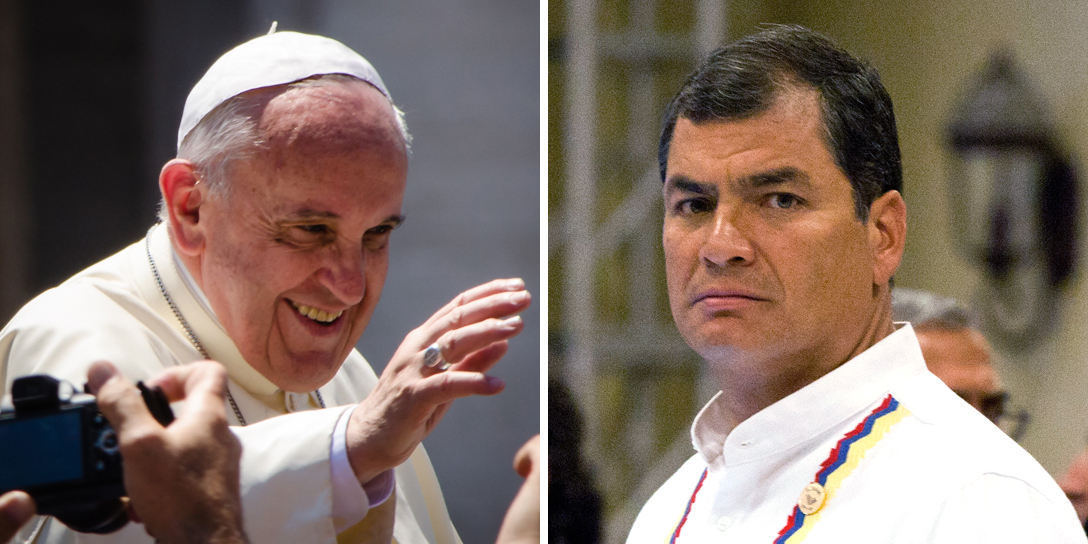
Why is Pope Friends with This Man?
Will the Pope’s courageous stand on the environment extend to challenging those who hypocritically associate themselves with it?
A Nonprofit, Reader-Supported News Organization
Will the Pope’s courageous stand on the environment extend to challenging those who hypocritically associate themselves with it?
The Chattanooga shootings in which nine Marines were gunned down by a 24-year-old shooter is one of a long string of such unnerving events. Early word from law enforcement suggests the attack, like so many others in recent years, is being blamed on a “lone wolf”—someone with no connection to known terrorist or other organizations. The authorities almost always assure us that such incidents are isolated, carried out by individuals who are either mentally ill or irrationally hostile to “our way of life.” Back in 2012, WhoWhatWhy Editor-in-Chief Russ Baker questioned this analysis. Examining the larger historical role such violence has played, Baker shows how certain incidents—including “false flag” attacks instigated by governments but blamed on dissidents—have radically transformed societies. His article is as relevant today as ever.
NOW LIVE ON WhoWhatWhy RadioWhoWhatWhy: Fanning the Flames of Syria By Jeff Schechtman Just how bad is the situation in Syria? Four million Syrians have fled the country in the past four years as its cities smolder and civil war rages on. Strategic dysfunction on the part of the international community, led by the US, continued airstrikes, and […]
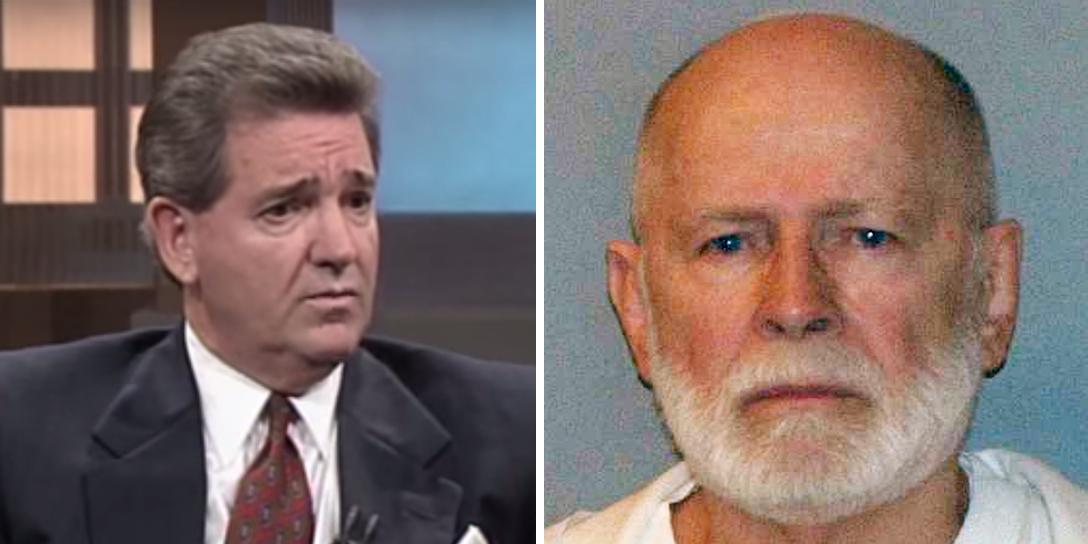
Only the astonishingly unaccountable FBI could get away with consistently not recording its investigative interviews not only of suspects but of witnesses—then having its agents write up reports based on “memory.” A former Deputy District Attorney tells the story of one judge who felt uncomfortable letting the Bureau wing it when he himself was in the hot seat.
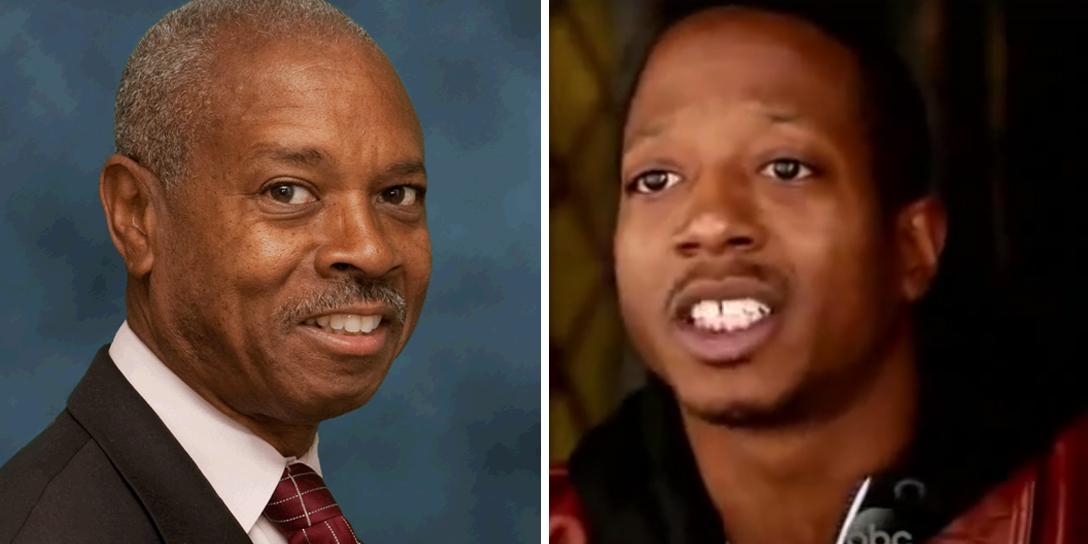
Sixteen-year-old Kalief Browder spent three years in jail without a trial before the charges were dropped—including more than two years in solitary. His experience left him a broken young man. Before he killed himself, he attempted to expose how authorities employed extraordinary pressure to compel confessions of guilt.

WhoWhatWhy podcaster Jeff Schechtman gets the lowdown on the federal investigation into the death of Michael Brown at the hands of a policeman in Ferguson, Missouri. What was that really about? Was there more to it than an isolated event? In short, yes. Find out in this interview with an NAACP official what systemic issues played a role in generating the deep anger in Ferguson—and throughout the country.
NOW LIVE ON WhoWhatWhy Book Excerpt: “Syria Burning” By Charles Glass If you want to know the who, what, why of how things got so bad in the Syria (and, in some ways, the rest of the Middle East)—read this excerpt from Syria Burning by Charles Glass, a book so beautifully written you will hardly […]
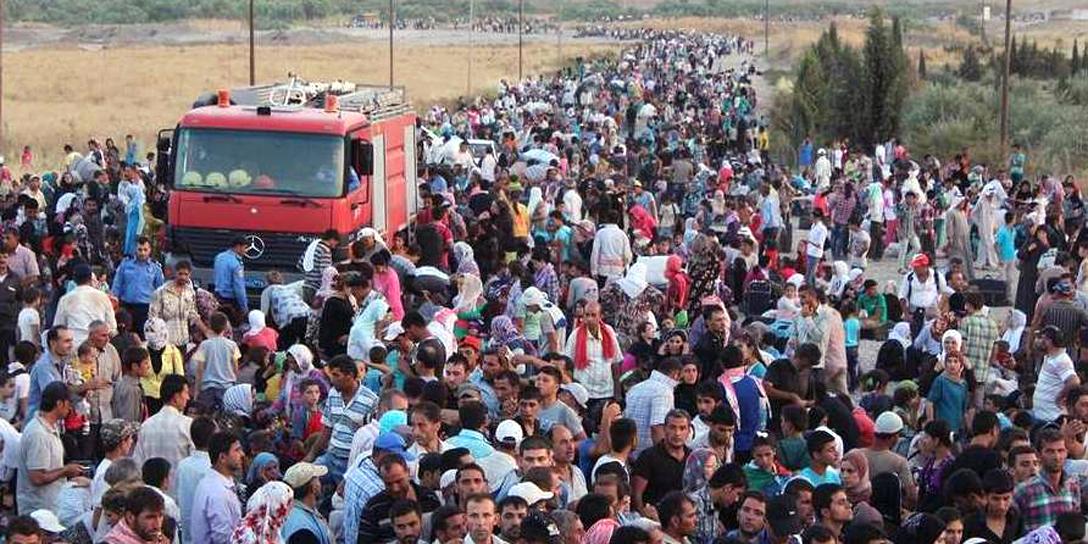
If you want to know the who, what, why of how things got so bad in the Syria (and, in some ways, the rest of the Middle East)—read this excerpt from Syria Burning by Charles Glass, a book so beautifully written you will hardly know you are reading. It is more like seeing.
Published by OR Books, New York and London, 2015.
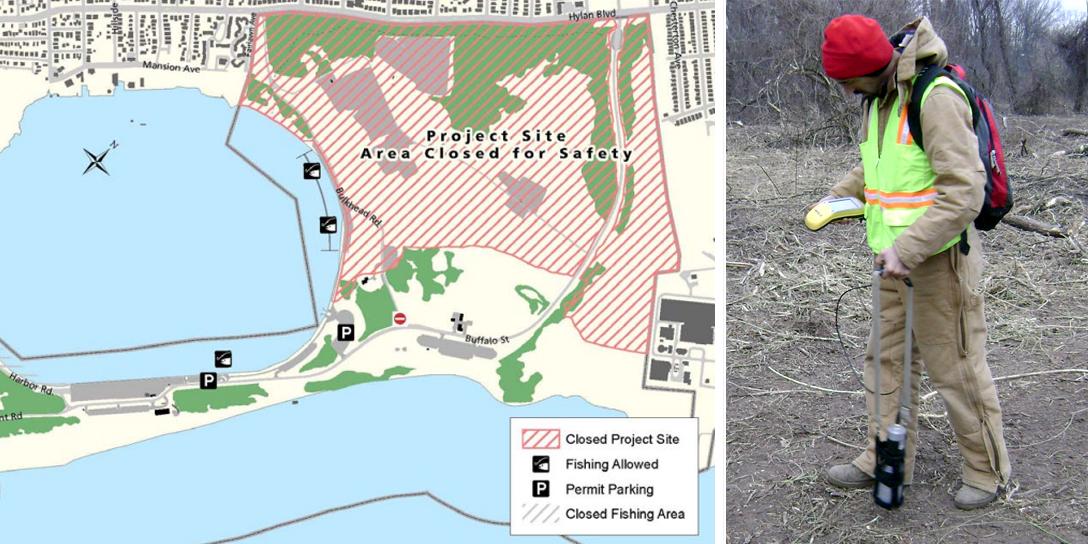
The search for a dirty-bomb in New York City has uncovered a history of radioactive contamination… and a lingering mystery from the Manhattan Project.
NOW LIVE ON WhoWhatWhy Baker on Jeb! and Michael Hastings’ Mysterious Death By Russ Baker Russ Baker back on with popular Denver radio host Peter Boyles, talking about Jeb Bush dropping his last name for campaign purposes—and the mysterious, fiery death two years ago of journalist Michael Hastings. Statistician: Data Point to “Multiple Agents” Manipulating […]
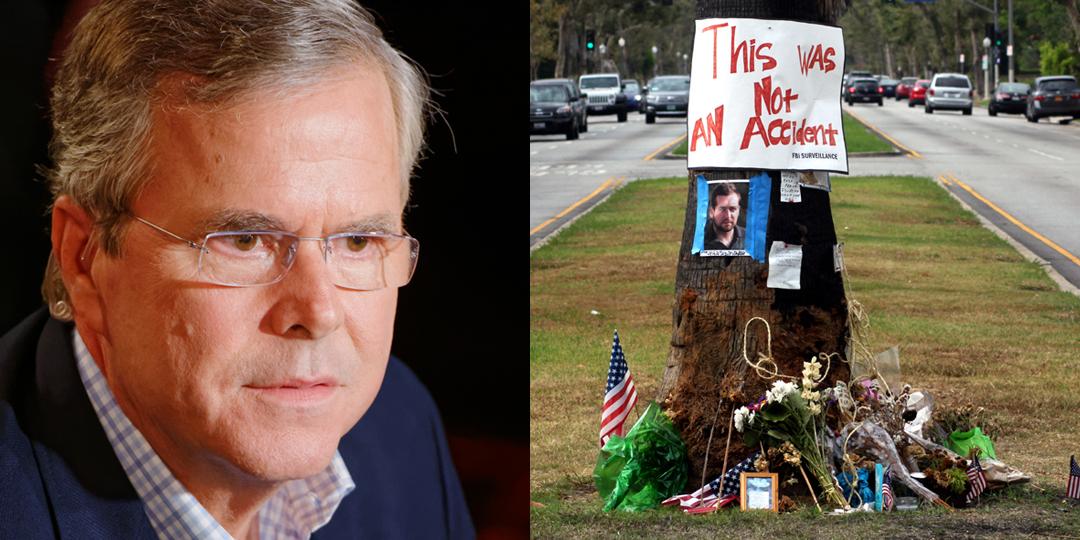
Russ Baker back on with popular Denver radio host Peter Boyles, talking about Jeb Bush dropping his last name for campaign purposes—and the mysterious, fiery death two years ago of journalist Michael Hastings.
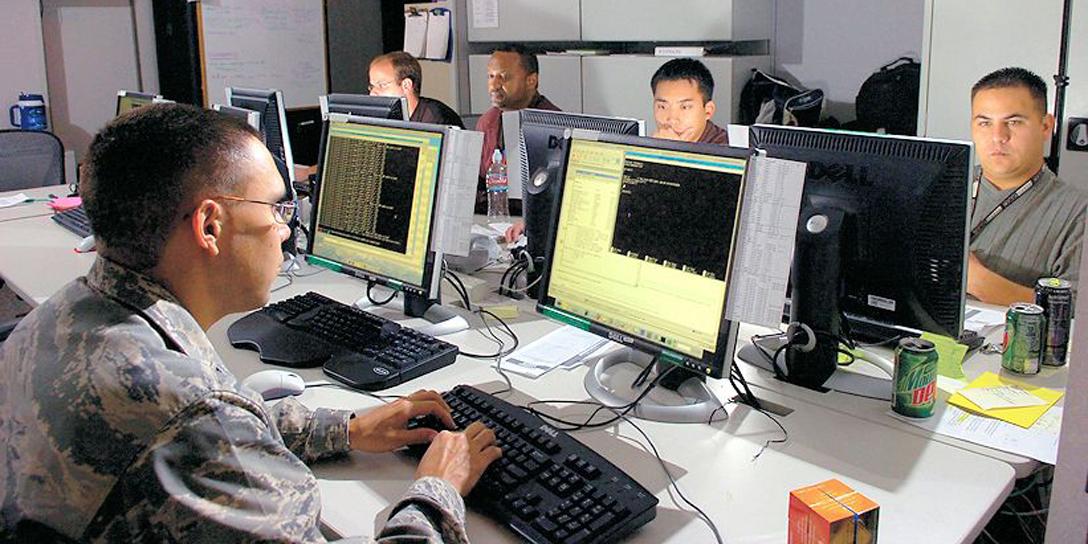
The US government is keeping system security flaws hidden so it can build super viruses based on “zero days”—and in the process, it’s leaving state secrets unthinkably vulnerable and then spending billions trying to protect itself from the very threats it helped to create.