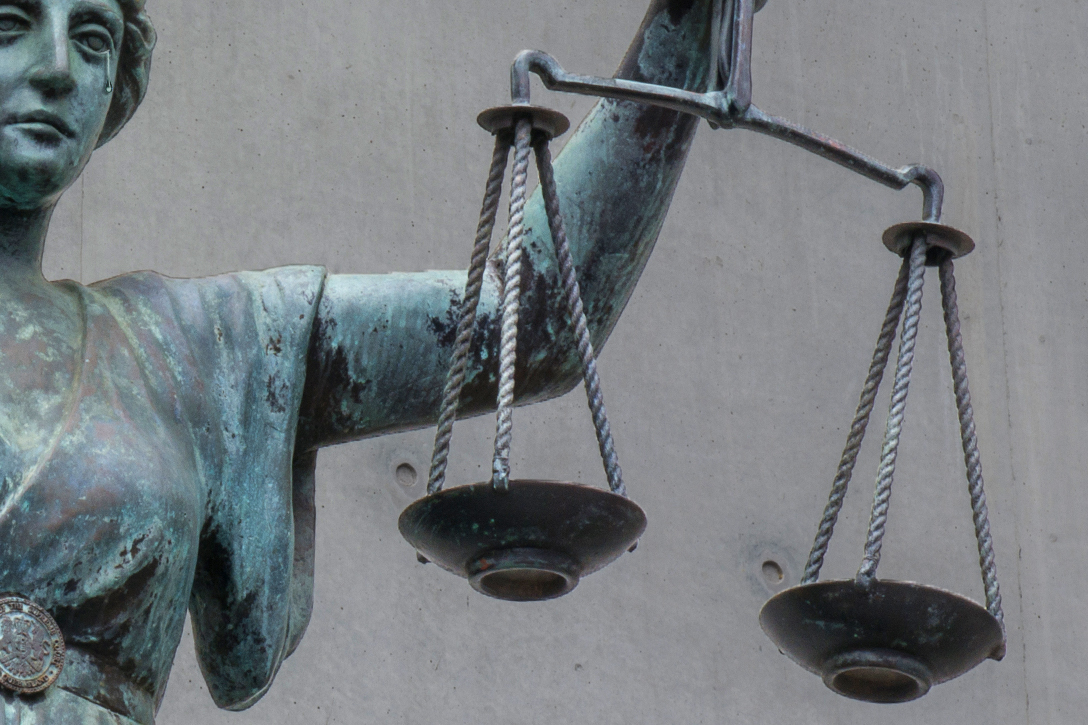
Prosecutors Who Break the Law Face No Punishment
Prosecutors get away with just about anything, including falsifying evidence, coercing witnesses, and ruining lives — but that may change.
A Nonprofit, Reader-Supported News Organization
Prosecutors get away with just about anything, including falsifying evidence, coercing witnesses, and ruining lives — but that may change.
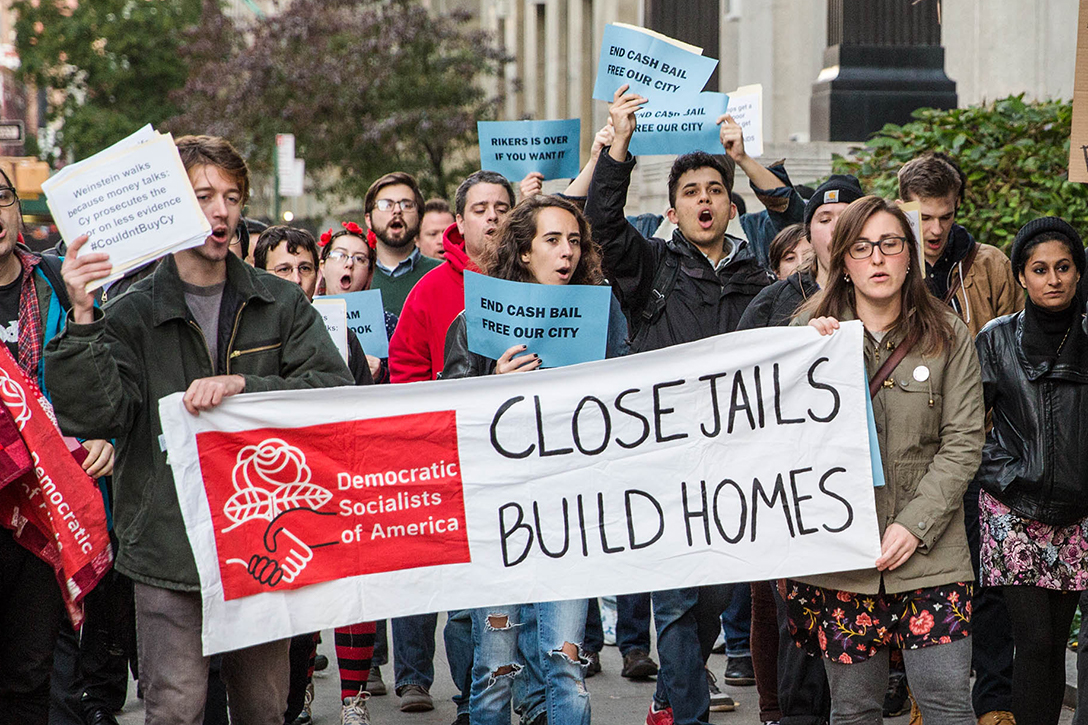
A new millennial voice looks at why the right has been so much more successful in building a leadership pipeline of young people, and why grabbing them by the wallet will make their hearts and minds follow.
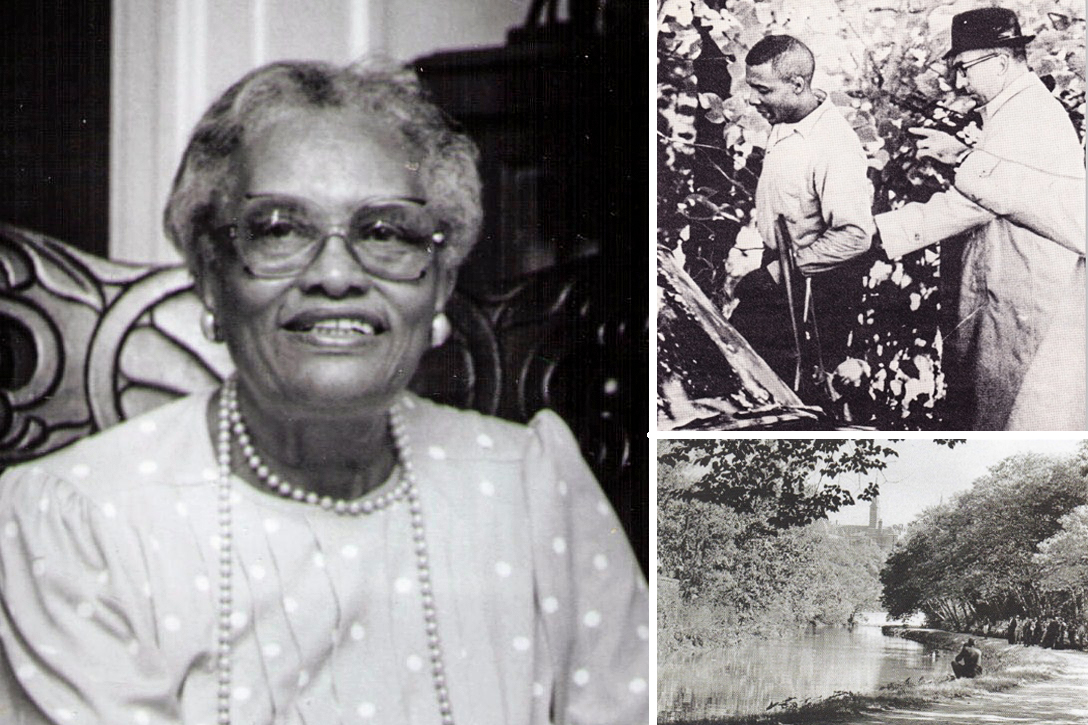
After Dovey Johnson Roundtree’s early life in the Jim Crow south, she was more than ready to face the white power establishment determined to convict her client for the usual reasons (he was black), as well as for mysterious reasons.
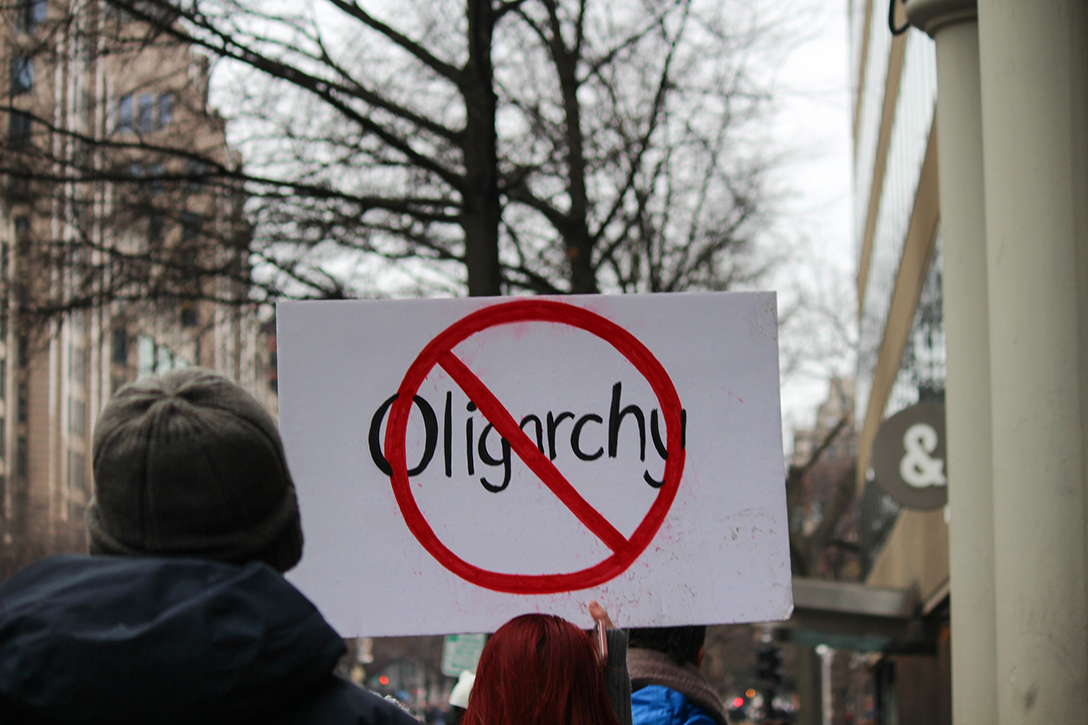
Could extreme income inequality destroy the very fabric of democracy? The US has been here before — in fact, the vast divide between the super wealthy and everyone else might be a reoccurring symptom of flaws in the original constitutional system.

A recently released CIA report from 1956 shows the agency once condemned the torture techniques of communist regimes as immoral. But the agency would later end up using many of those same methods — and worse — in the War on Terror.
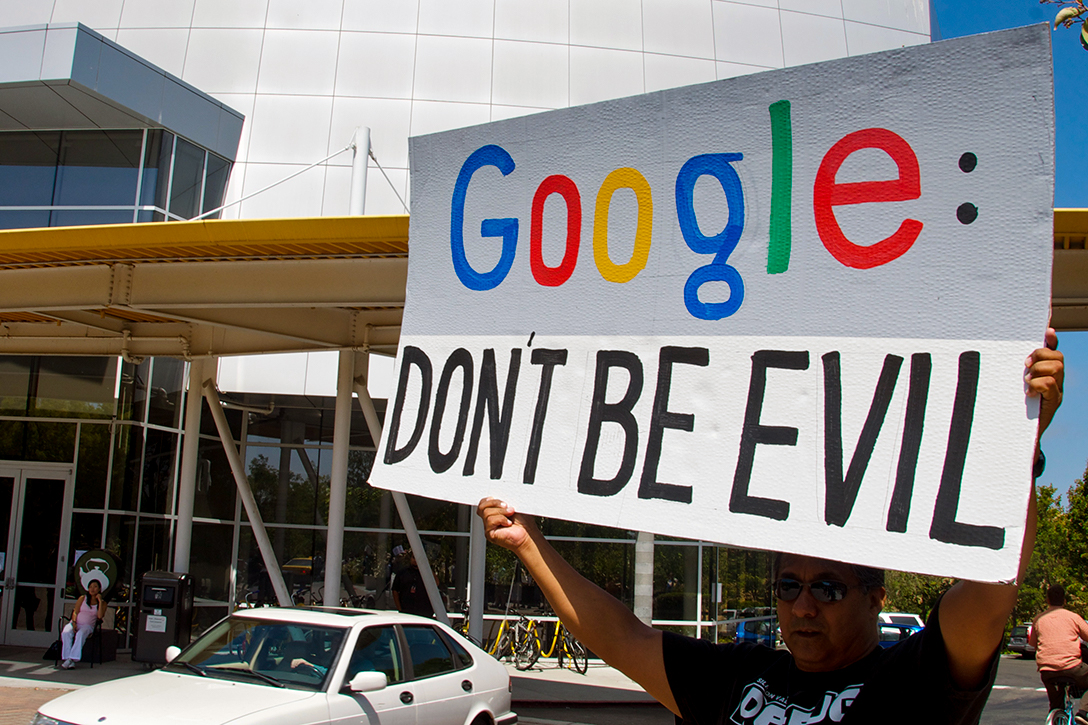
Google has announced that it will not renew a controversial military contract. But that doesn’t mean that the company will sever the deep ties it has to the Pentagon.
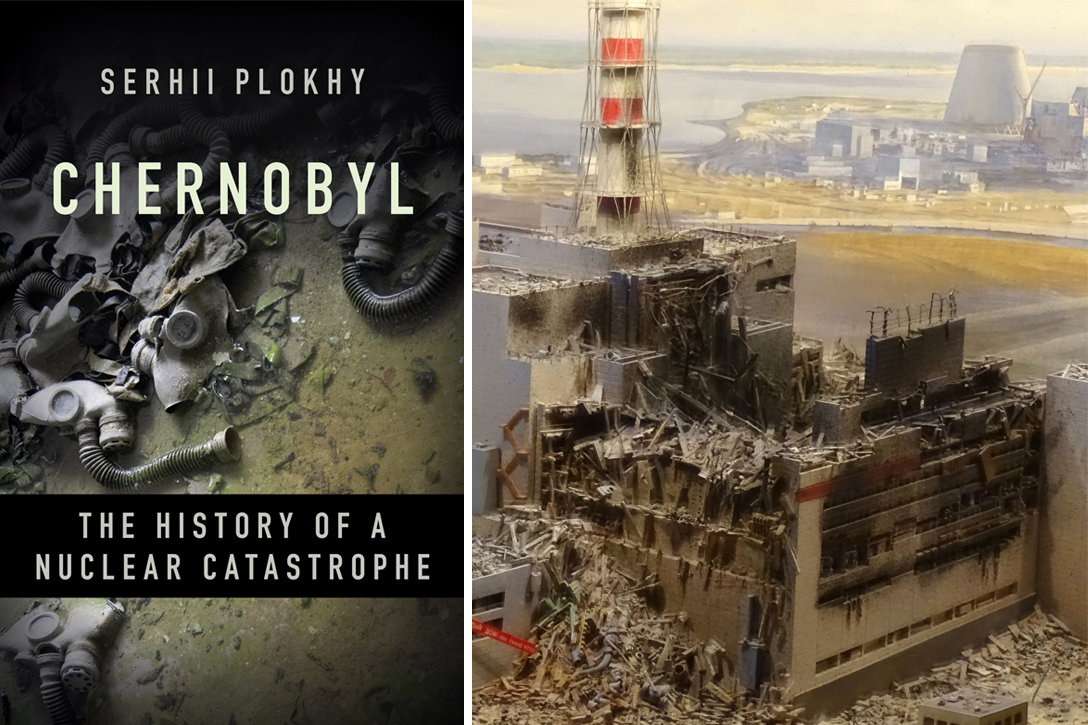
When sensors in Europe first picked up the radiation from the Chernobyl nuclear disaster, nobody could have predicted that the accident would help bring about the fall of the Soviet Union.
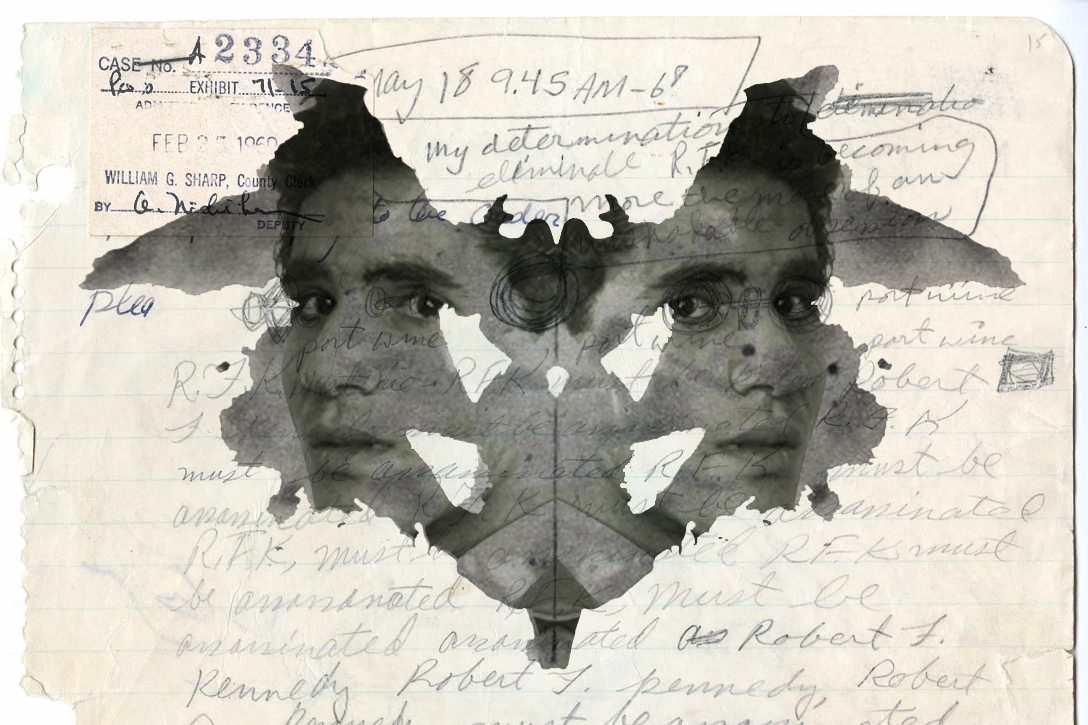
In an exclusive video, Sirhan Sirhan’s legal team documents its 11-year quest to unlock Sirhan’s memory of the RFK assassination.
A report about some amazingly simple chicanery buried under dense clouds of calculations secreted by a scientist determined to prove President John F. Kennedy was shot only from behind.
Aldous Huxley died on the same day as John F. Kennedy. It’s an interesting factoid, but does it mean anything? Here’s one take on the possible significance.
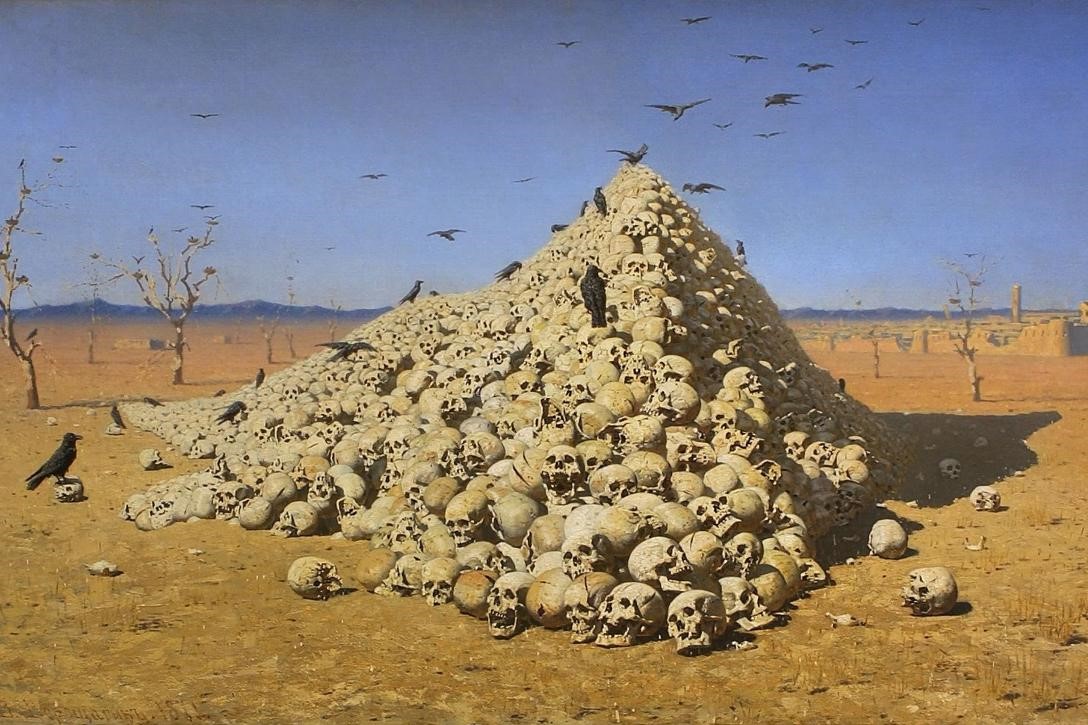
On Memorial Day, the media usually serves up images of cemeteries, rows of tombstones, and endless American flags. However, the other images associated with war get short thrift — but not here at WhoWhatWhy.
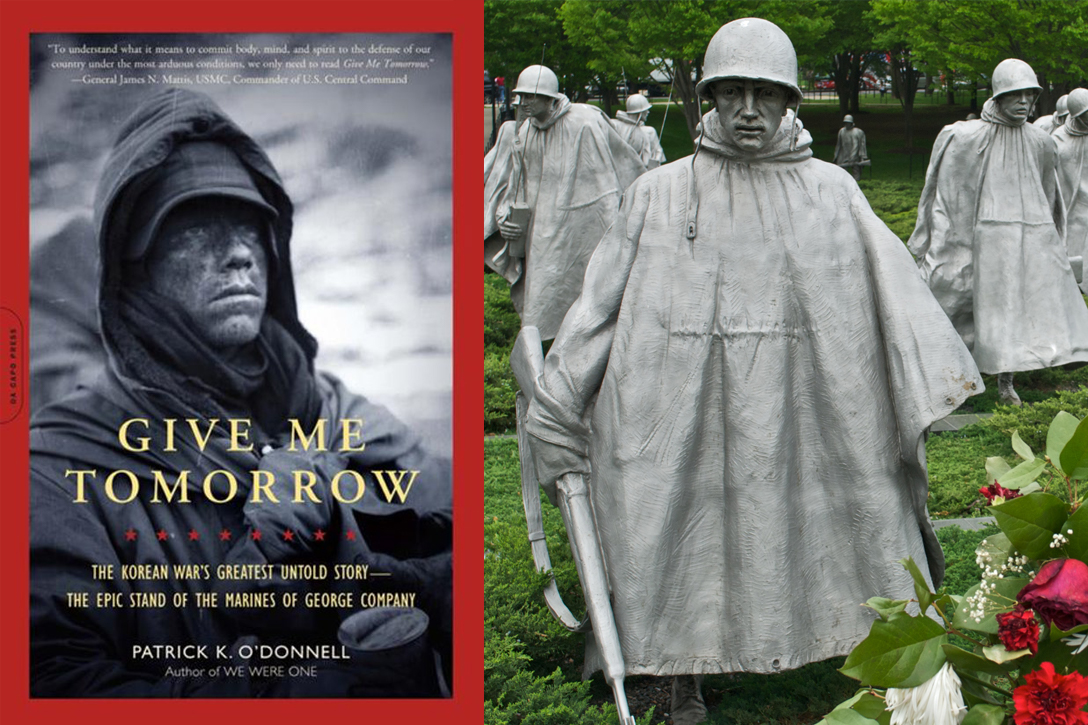
Military historian Patrick O’Donnell provides a moment of reflection on the who and why of the brutal Korean war, which never really ended and is still haunting us today.