In Huge Win for Democracy, SCOTUS Blocks Trump’s Mail-in Ballot Suppression Plan
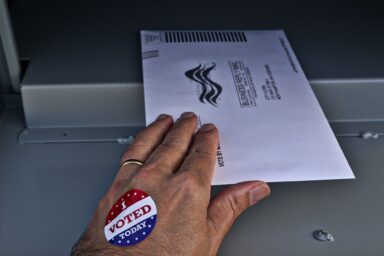
Democrats and voting rights groups had reason to celebrate Monday night after the Supreme Court upheld a prior ruling preventing the Trump administration from playing a role in deciding which Americans get to vote by mail.
|
Listen To This Story
 |
Donald Trump’s audacious scheme to give the federal government a role in deciding which Americans are allowed to vote by mail in the midterms has failed (unless the president plans to initiate a massive constitutional crisis).
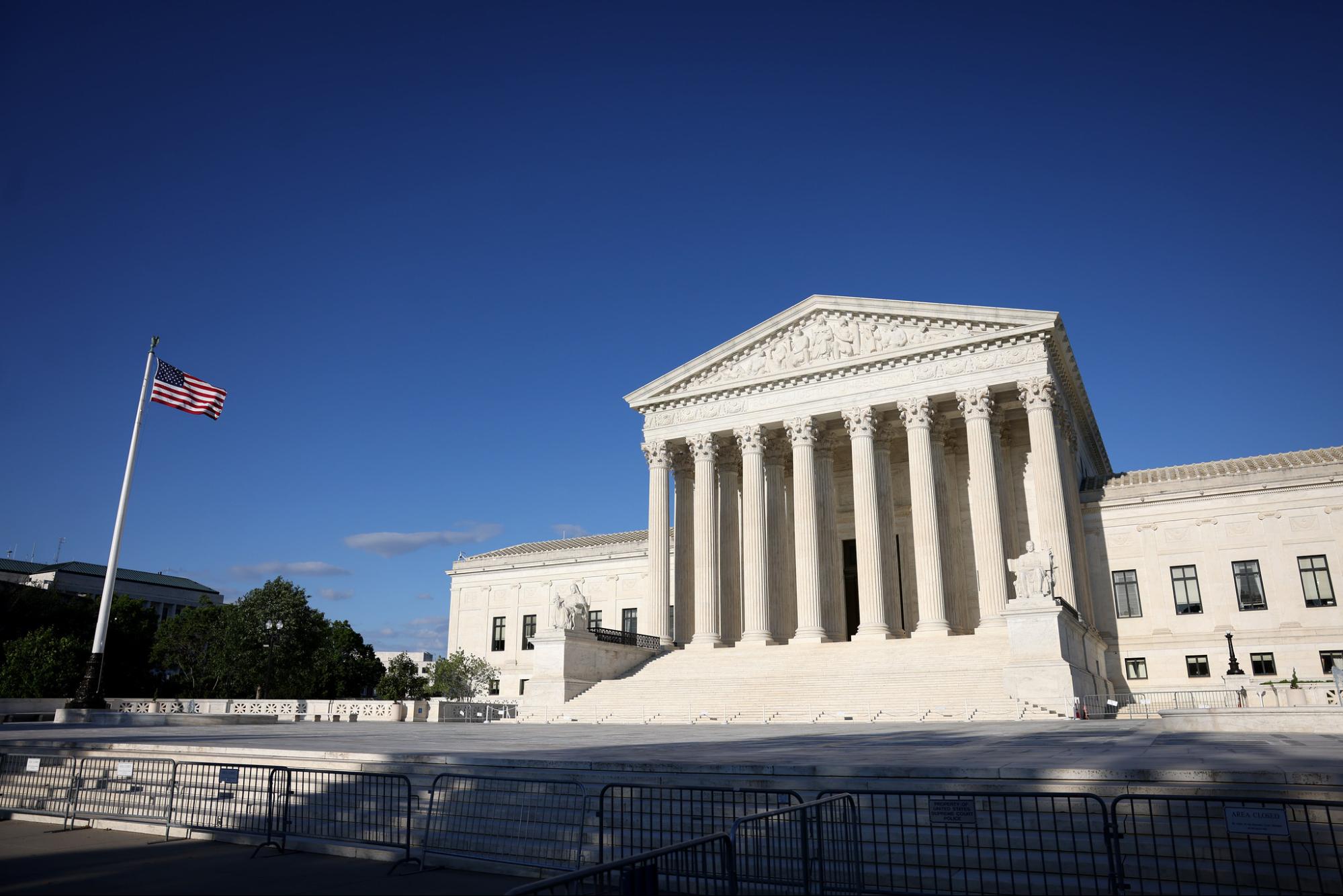
The Supreme Court on Monday night rejected the administration’s effort to inject itself in the administration of elections by imposing new restrictions on states that would have allowed the United States Postal Service (USPS) to refuse to send ballots to millions of voters.
While the USPS regulation that was supposed to achieve that objective was blatantly unconstitutional, given that the Founding Fathers specifically did not assign the federal government a role in running elections, voting rights advocates and the blue states that had sued the administration were holding their breath until the decision was made public.
That’s because the Supreme Court has played a major role in gutting the Voting Rights Act and has issued other rulings that were neither founded in the Constitution nor based on precedents.
However, Trump’s attempt to usurp the power of determining who can vote by mail was a bridge too far for (most of) the judges.
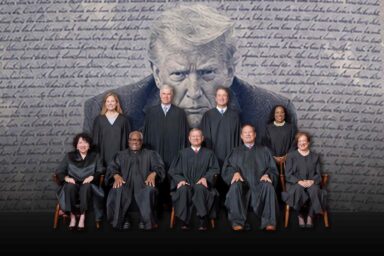
In the end, only the president’s most loyal lackeys on the court — Samuel Alito and Clarence Thomas — objected to the majority decision.
The ruling is a serious setback for Trump in his war against mail-in voting, which he blames for his 2020 election loss to Joe Biden. For years, without ever presenting any evidence, the president has claimed that the practice is rife with fraud.
However, as Trump-appointed US District Court Judge Carl Nichols pointed out last night in another injunction blocking the USPS rule from going into effect, the administration “does not point to any record evidence that there will be significant fraud in the upcoming elections” if he were to block the regulation from being implemented.
“The Defendants — and the public — certainly have an interest in ‘strengthening public confidence in mail voting,’ and ‘enhancing the efficiency of postal operations,’” as USPS stated in the preamble of its regulation, Nichols wrote. “But there is no indication in the record before the Court that preliminarily enjoining the Ballot Mail Rule would actually harm those interests. And those harms are significantly outweighed by the risks of disenfranchisement to absentee and mail-in voters identified by Plaintiffs.”
More than anything, the Supreme Court’s decision avoids the massive chaos and confusion that would have ensued if the rule would have been allowed to take effect 50 days before the midterm, with some states already sending out their ballots.
Democrats and voting rights groups applauded the high court for doing the right thing.
“I am thankful that SCOTUS saw Trump’s executive order for what it was: a disgusting overreach from the federal government,” said Arizona Secretary of State Adrian Fontes (D). “By ruling against it, SCOTUS has effectively ruled in favor of American democracy.”