Trump Strikes a Blow Against His Greatest Enemy
Donald Trump's obsession with offshore windmills is costing Congress a chance to reach a deal on legislation that would benefit the country's energy infrastructure.
|
Listen To This Story
 |
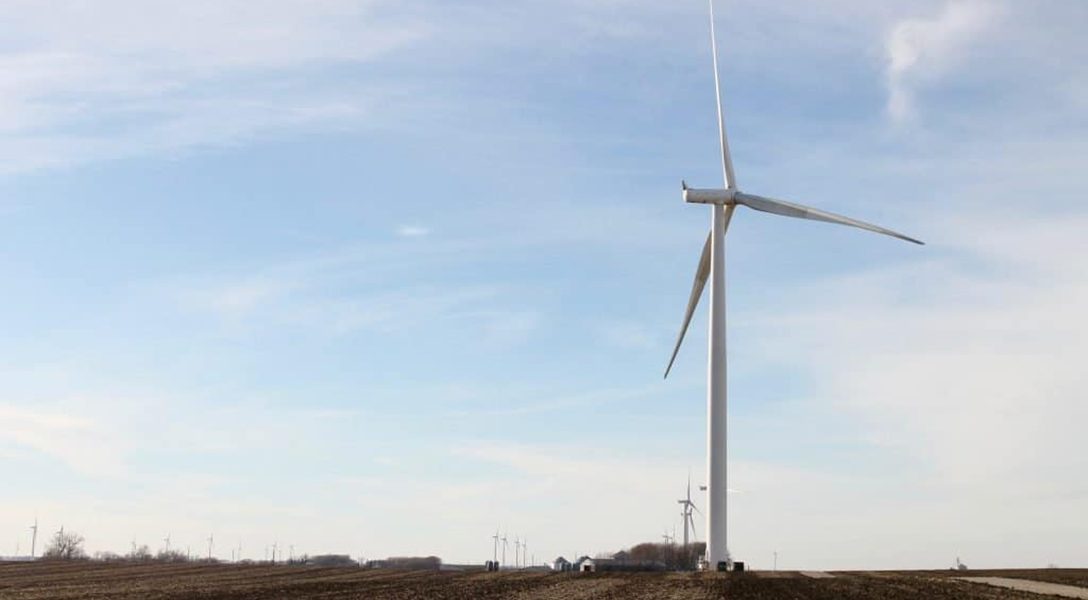
Things aren’t going amazingly for Donald Trump. His polling numbers are terrible, Americans are feeling very strongly that the economy isn’t performing for them, he can’t shake the Epstein story, and the prosecutions against some of his perceived political adversaries have fallen apart. However, right before Christmas, the president scored a decisive victory against his greatest enemy: Wind!
On Monday, citing unspecified security concerns “identified by the Department of [Defense] in recently classified reports,” his administration announced that it would halt five major offshore wind projects currently being built from Virginia to New England.
“The prime duty of the United States government is to protect the American people,” said Secretary of the Interior Doug Burgum. “Today’s action addresses emerging national security risks, including the rapid evolution of the relevant adversary technologies, and the vulnerabilities created by large-scale offshore wind projects with proximity near our east coast population centers.”
While that will do nothing to lower the energy costs of Americans, which, according to a recent report, have gone up by double digits since the start of the year, it is a win for Trump, who has been tilting at (offshore and onshore) windmills for many years. The president’s crusade against wind power dates back more than a decade to a time when he unsuccessfully fought an offshore turbine project near one of his Scotland properties.
The president’s personal motivation is not lost on lawmakers opposed to the move.
“The real reason Trump hates offshore wind is no secret: It’s the narcissism of a man still obsessed with a wind project he tried and failed to stop near his golf course in Scotland,” said Rep. Jerry Nadler (D-NY). “And now, Trump is making American families pay the price for his ego by threatening future electricity supply and driving up utility bills across the region.”
Nadler added that the national security concerns the administration has cited are “bogus.”
“These projects went through years of federal and military review and represent billions of dollars in private investment that was set to deliver reliable power to millions and thousands of jobs,” the lawmaker said.
While Trump may be feeling good about having dealt a blow to his invisible nemesis, the announcement comes with immediate repercussions.
Sens. Martin Heinrich (D-NM), the ranking member of the Energy and Natural Resources Committee, and Sheldon Whitehouse (D-RI), the top Democrat on the Environment and Public Works Committee, declared the effort to reach a deal on permitting reform dead.
The term refers to streamlining the process of approving and starting new energy projects.
While thanking their Republican counterparts for their “good-faith efforts to negotiate a permitting reform bill that would have lowered electricity prices for all Americans,” the lawmakers said that any deal would be meaningless as long as it is administered by an administration that disregards the law.
“Its reckless and vindictive assault on wind energy doesn’t just undermine one of our cheapest, cleanest power sources, it wrecks the trust needed with the executive branch for bipartisan permitting reform,” Heinrich and Whitehouse stated. “By sabotaging US energy innovation and killing American jobs, the Trump Administration has made clear that it is not interested in permitting reform. It will own the higher electricity prices, increasingly decrepit infrastructure, and loss of competitiveness that result from its reckless policies.”
The lawmakers added that they would only resume negotiations if the administration reversed its decision on these projects.
And, since that is not going to happen, Trump not only killed windmill projects today but also the possibility of reaching a deal on an issue that could advance the country’s energy infrastructure.