Donald Trump’s use of the pardon power is a reflection of the president himself... and that’s not a good thing. Fortunately, even his authority has (some) limits.
|
Listen To This Story
 |
From the moment he stepped back into the White House, Donald Trump has wielded his pardon power with reckless abandon. Only hours after Joe Biden issued his most controversial pardons, the newly inaugurated president kicked off his second term by issuing a mass pardon to the more than 1,500 people who were convicted for attacking Congress on his behalf on January 6.
Since then, Trump has (ab)used his pardon pen like no other president in history.
He has granted clemency to political allies, like former Rep. George Santos (R-NY), and those he hoped would become allies, like Rep. Henry Cuellar (D-TX).
Trump also likes to pardon rich people, especially those who either gave him money or have business ties to his family.
Trevor Milton, a billionaire convicted of fraud, falls into the former category. He and his wife gave nearly $2 million to Trump’s presidential campaign in 2024, which turned out to be a good investment for him. Prior to the pardon, the acting US attorney for the Southern District of New York had urged the judge in the case to force Milton to pay his company’s shareholders more than $600 million in restitution. Now, that seems unlikely.
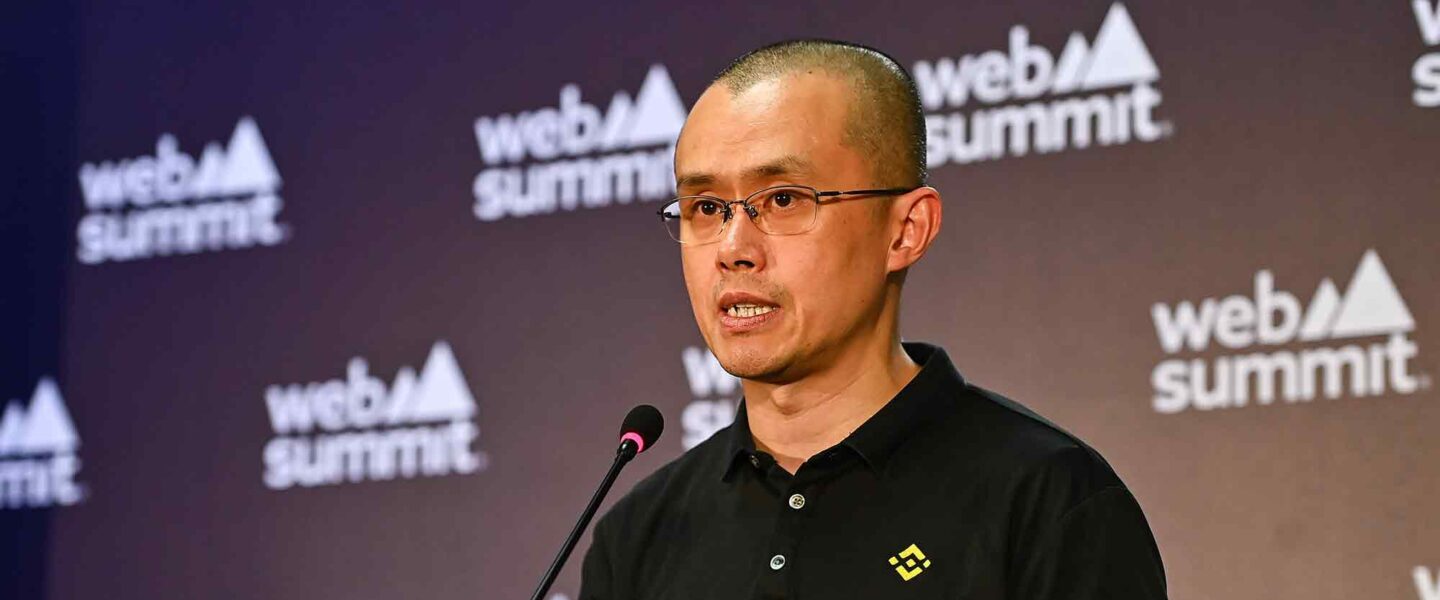
Changpeng Zhao, the former CEO of Binance, falls into the latter category. He was convicted of facilitating money laundering, and his company agreed to pay more than $4 billion in fines.
However, Binance not only helped “terrorists, cybercriminals, and child abusers” but also the president’s spawn. The company has assisted World Liberty Financial, the crypto business run by the president’s sons Eric and Donald Jr.
And, even though Trump claims to fight a war on drugs, he recently pardoned Juan Orlando Hernández, the former president of Honduras, who was sentenced to 45 years in prison for playing a key role in “one of the largest and most violent drug-trafficking conspiracies in the world.”
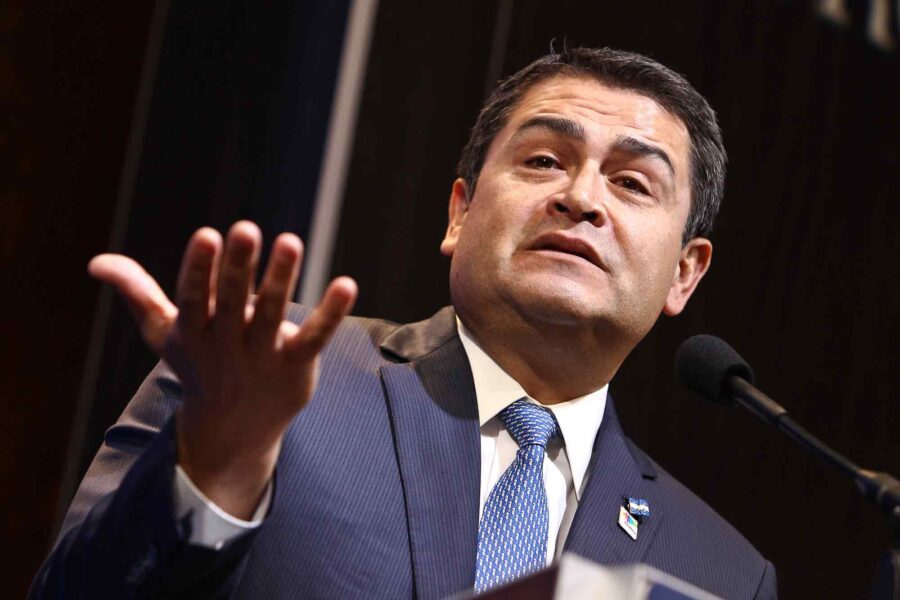
According to a witness at his trial, Hernández once boasted that he wanted to “stuff the drugs up the gringos’ noses, and they’re never even going to know it.”
Speaking of not knowing something, when Trump is asked about these controversial pardons, he likes to claim ignorance.
In an interview with 60 Minutes last month, the president said he “doesn’t know” who Zhao is.
Trump said the same thing when asked about Hernández before adding that he had been told that the former Honduran president was treated unfairly by the Biden administration and that “many friends” had asked him to grant him clemency.
Which brings us to the next problem with the way Trump uses this extraordinary power (apart from the potential corruption, that is): Ordinarily, a presidential pardon is preceded by a lengthy and extensive review process involving lawyers and stuff.
Now it appears that all it takes is for some rich person at Mar-a-Lago to claim that another rich person was mistreated by the Biden administration… and greasing the wheels a bit doesn’t seem to hurt.
And even that isn’t enough for Trump, who apparently believes that his pardon power should not be restrained in any way.
On Thursday, for example, he granted a “full pardon” to fellow election denier Tina Peters, who was convicted of breaching election equipment in Colorado to prove the president’s Big Lie.
“Democrats have been relentless in their targeting of TINA PETERS, a Patriot who simply wanted to make sure that our Elections were Fair and Honest,” he wrote in a social media post. “Tina is sitting in a Colorado prison for the ‘crime’ of demanding Honest Elections. Today I am granting Tina a full Pardon for her attempts to expose Voter Fraud in the Rigged 2020 Presidential Election.”
There is just one teeny-tiny problem: Since Peters, a former election worker, was convicted in a state court, Trump has no authority in this case.
In effect, his “pardon” (by social media post, no less), carries as much weight as us pardoning each and every person who reads this column, which we hereby do.
Well, with the exception of Ghislaine Maxwell, who is trying to get the president to commute her sentence. Because, unlike Trump, we don’t fraternize with child molesters.