US and Iran Exchange Strikes, Oil Prices Soar, Trump Says Ceasefire Is ‘Over’
While it remains to be seen whether the US and Iran will resume their war, Donald Trump's comments from Wednesday morning indicate that their tenuous ceasefire is in serious jeopardy.
|
Listen To This Story
 |
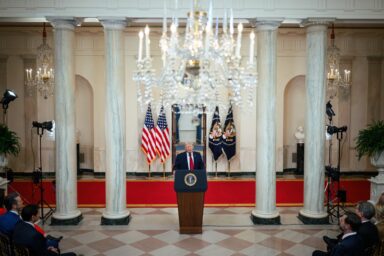
Following alleged Iranian strikes on three ships in the Strait of Hormuz on Tuesday, US attacks on sites in Iran later in the day, and Tehran’s retaliation against US military targets in Bahrain and Kuwait on Wednesday, Donald Trump said he considers the ceasefire between the two countries to be “over.”
While the president, who is currently in nearby Ankara, Turkey, for a NATO summit, added that his negotiators could keep talking, he also expressed his opinion that to do so would be a waste of time.
Trump’s comments caused oil prices to soar. The cost of a barrel of Brent crude approached $80 early Wednesday morning Eastern Time.
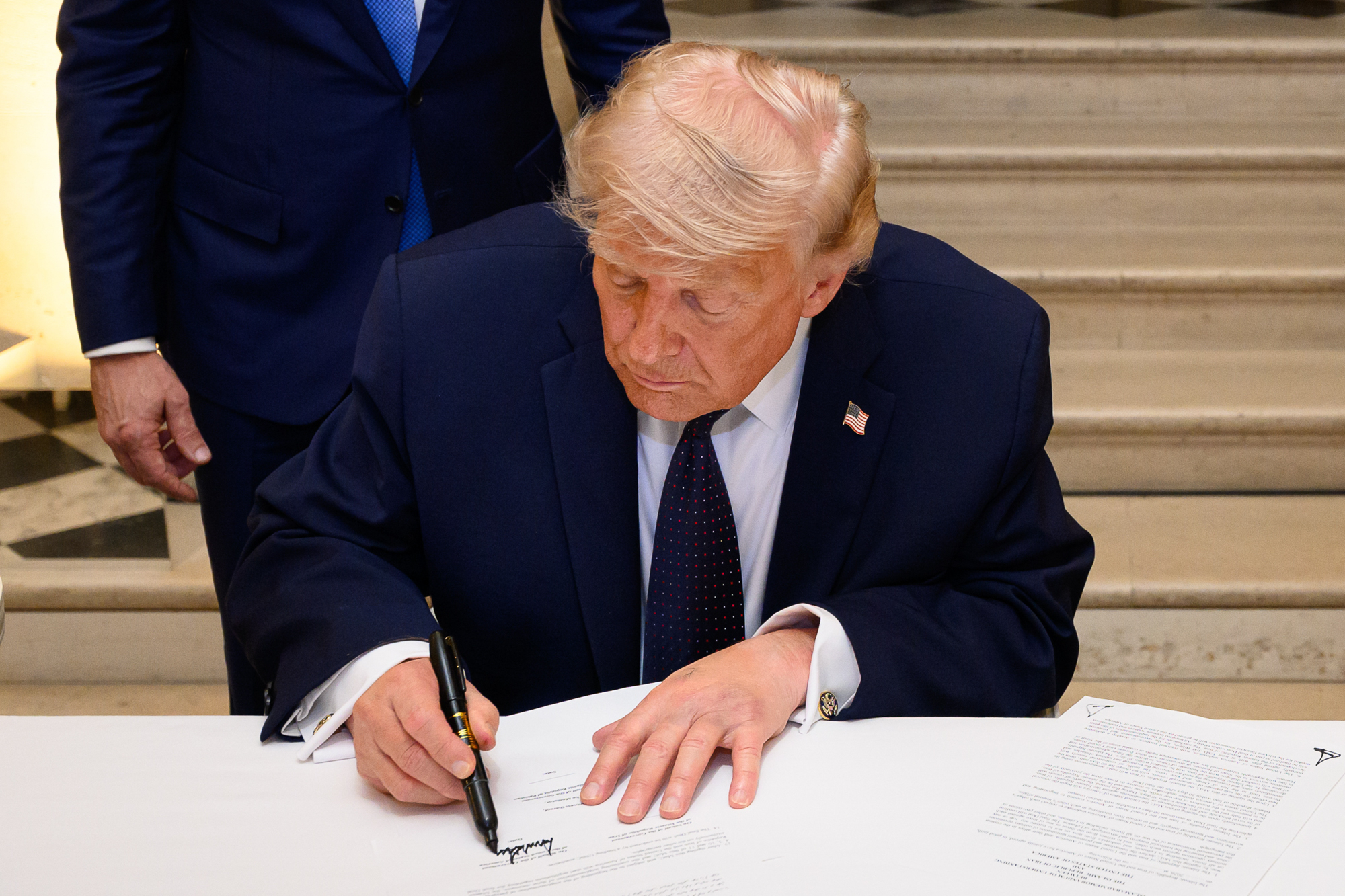
While it is not yet clear if the war between the two countries and Israel, which had been in a simmer, will now fully flare up again, the likelihood is high that the “memorandum of understanding” that Washington and Tehran signed last month will become null and void.
This should not come as much of a surprise since both sides never seemed to be on the same page with regard to what it said and meant.
Essentially, it was an agreement between two untrustworthy parties who tried to sell it at home as more than it was.
That being said, neither side will benefit from the war continuing in earnest.
For Iran, the memorandum provided an instant windfall of cash, with the US waiving sanctions on its oil. Those were already reinstated on Tuesday following the attacks on the three ships, for which Tehran has yet to claim responsibility.
In addition, Iran stood to gain immensely from a $300 billion private investment fund. And, of course, it was no longer getting pummeled by a superior military force.
Conversely, the deal also greatly benefited Trump. Thanks to Iran’s closure of the Strait of Hormuz at the onset of the war, prices for everything from gasoline to food had increased sharply in the US and throughout the globe.
This further impacted the president’s historically bad approval ratings and put his Republican Party in a very difficult spot ahead of the midterm elections in November.
After the memorandum was signed, oil prices immediately dropped close to the pre-war level and gasoline costs in the US were on the way down as well.
In other words, it doesn’t make sense for either country to continue hostilities (the same cannot be said for Israel and the government of Prime Minister Benjamin Netanyahu, which would like to continue the conflict, which it had also broadened to Lebanon).
Of course, since the war began Trump has also been oscillating between threatening Iran with complete destruction and praising the regime while teasing that a peace deal was near.
Therefore, it remains to be seen whether his comments from Wednesday morning actually mean that the US will resume full hostilities or whether the president will change his mind again within hours.