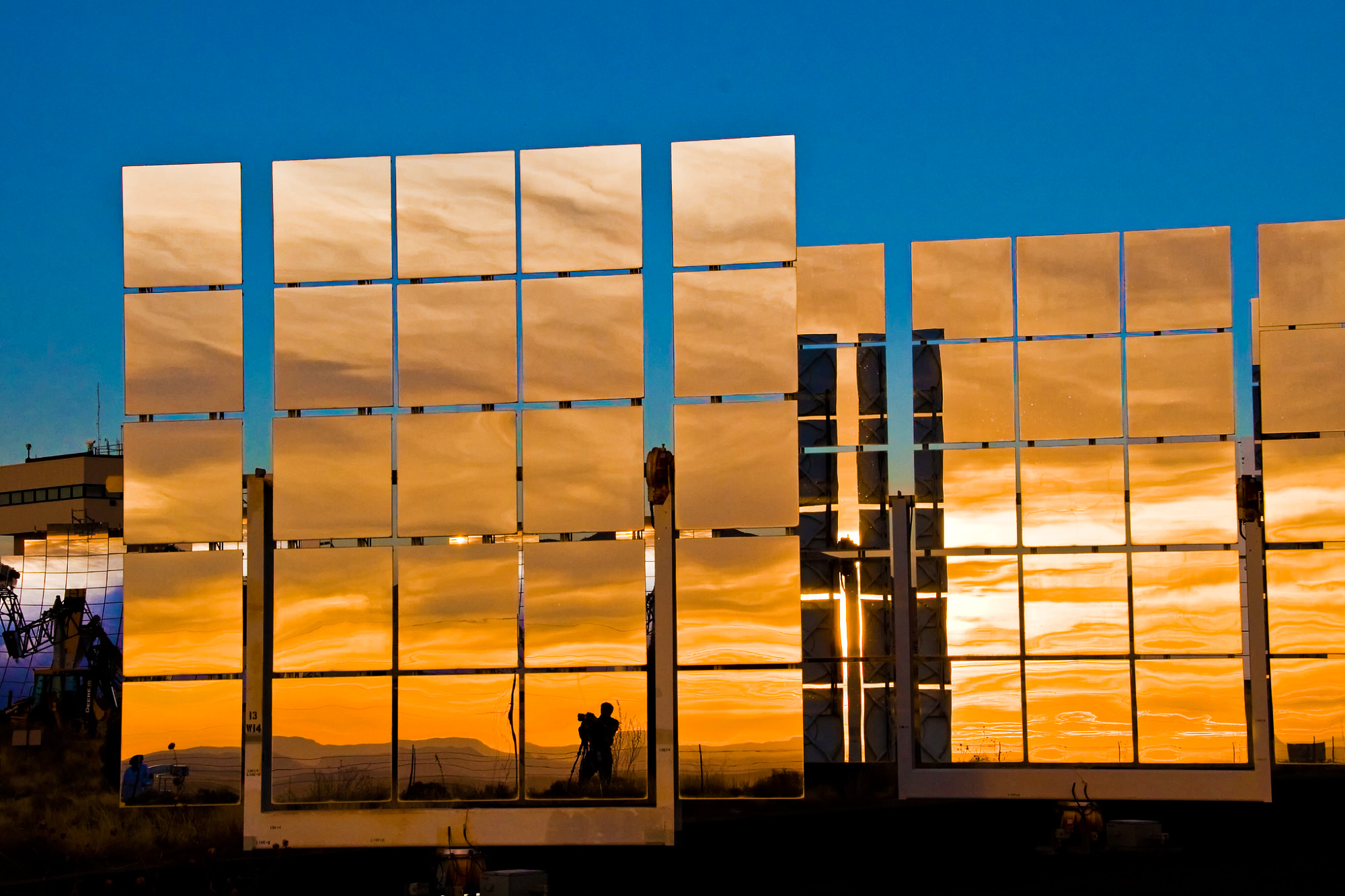
New Mexico Wrote Clean Energy Success Story in Just 5 Years
PICKS are stories from many sources, selected by our editors or recommended by our readers because they are important, surprising, troubling, enlightening, inspiring, or amusing. They appear on our site and in our daily newsletter. Please send suggested articles, videos, podcasts, etc. to picks@whowhatwhy.org.
|
Listen To This Story
 |
New Mexico Wrote Clean Energy Success Story in Just 5 Years (Maria)
The author writes, “July is the most electricity-intensive time of year in the U.S., and the grid is working hard to keep up. In many places, high electricity demand equals high pollution. That used to be true in New Mexico, but the state’s electricity supply flipped from majority climate-warming fossil fuels to majority renewables in just five years.”
Democrats Face Most Contentious — And Crucial — Test Yet With Michigan Primary (Russ)
The author writes, “Voters are faced with the thorny question of electability: who can win this purple state in November and potentially push Democrats toward a US Senate majority?”
Domestic Abuse Allegations Rock an Ohio House Race (Sean)
From The New York Times: “A sordid, yearslong family drama involving two powerful Republican members of Congress from Ohio and allegations of domestic abuse is threatening to put a fairly safe G.O.P. House seat at risk in an already challenging midterm election year for the party. Representative Max Miller, a second-term Republican representing northeast Ohio whose political rise was fueled by his close relationship to President Trump, has been accused by his ex-wife, Emily Moreno, of domestic abuse against her and their 2-year-old daughter.”
How Rogue Officers Turned a Nationwide Camera Network Into a Tool For Stalking (Gerry)
From The Washington Post: “Flock’s array of license-plate cameras was built to fight crime. But at least 50 law enforcement officers were charged with or accused of misusing it and other systems.”
Idaho Is a Finalist To Become a Federal Nuclear Powerhouse — And Home for Waste (Reader Steve)
From the Idaho Statesman: “Idaho is on the shortlist to become the center of America’s nuclear energy industry — and a warehouse for much of its radioactive waste. The Department of Energy announced Tuesday that Idaho is one of five finalists to host a proposed Nuclear Lifecycle Innovation Campus, part of an aggressive federal push to revive domestic nuclear energy production. The hubs aim to ‘support activities across the entire nuclear fuel cycle,’ according to a DOE press release. That means fabricating, enriching and, when possible, reprocessing nuclear fuel before permanently storing spent material on site — a decades-long hang-up for nuclear watchdogs and environmental advocates across Southern Idaho.”
Scientists Find a Simple Way To Stop Cavities Without Drilling (Reader Jim)
The author writes, “A liquid brushed onto cavities in seconds may spare many young children from pain, infection, and surgery. A major U.S. trial found that silver diamine fluoride stopped decay in more than half of treated baby teeth. The treatment requires no drilling, shots, or sedation, although it does permanently darken the decayed area.”
Georgia’s Okefenokee Swamp Among New Additions To Join UNESCO’s World Heritage List (Laura)
The author writes, “The Okefenokee Swamp in Georgia, an ornate 13th-century Buddhist temple in Thailand and tidal flats in western South Korea were among several sites added to the World Heritage List [this month] at a U.N. committee meeting in South Korea. … The Okefenokee Swamp is regarded as one of the world’s largest freshwater ecosystems, encompassing a vast network of wetlands that supports exceptional biodiversity and serves as the source of two major rivers. Its largely undisturbed peat beds preserve a 5,000-year record of environmental change, making the swamp both a globally significant natural habitat and a valuable source of information on long-term environmental change, according to a UNESCO description.”