How much do regular Americans care about things like the GDP and the stock market as opposed to their own finances? That is one of the central questions heading into a midterm election year.
|
Listen To This Story
 |
While it is clear that, as things stand now, “the economy” will be the central issue going into a crucial midterm election year, what does that mean? Is “the economy” measured by things like the stock market or the gross domestic product (GDP), which, according to the Trump administration, grew at an annual rate of 4.3 percent in the third quarter? Or will Americans judge “the economy” by their personal circumstances, which they are feeling increasingly bad about?
In 2024, Democrats hoped that it was the former. Pointing to dropping inflation, a hiring boom, solid growth, and a booming stock market, they wanted to make the case that things were looking up. And, while they were right in a macroeconomic sense, and while the US was clearly outperforming its peer nations, regular people weren’t feeling it.
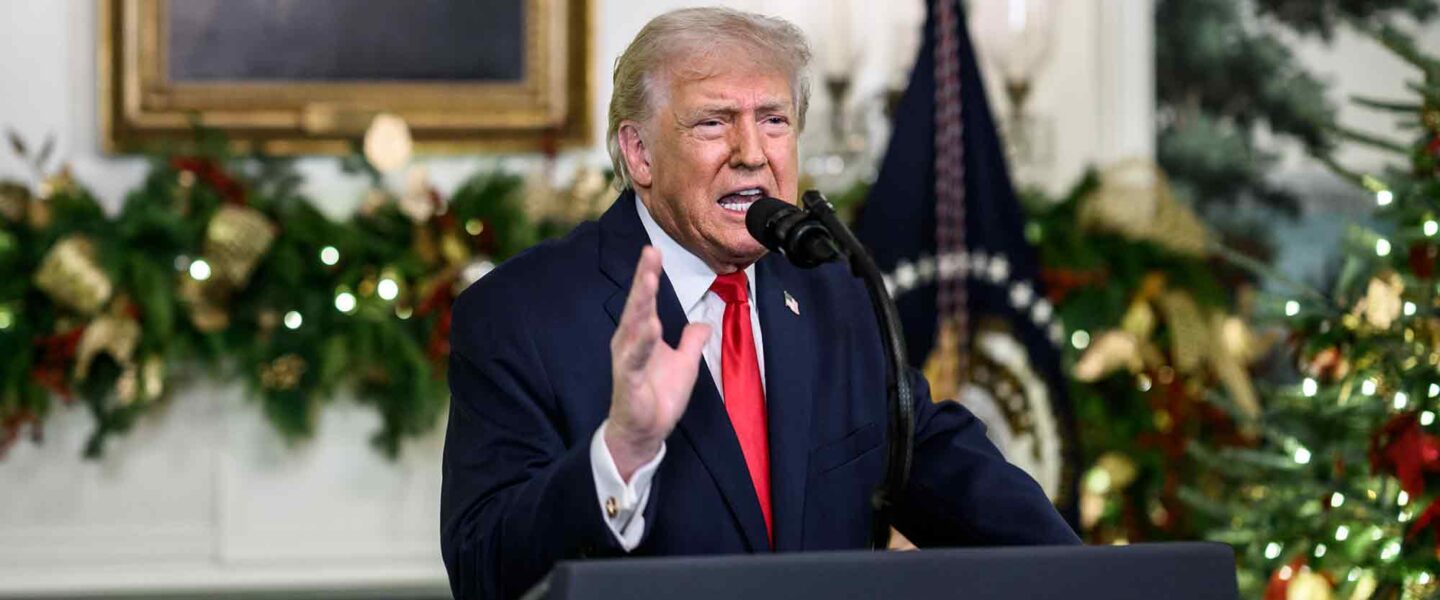
We all know what happened next: Americans, believing that the country was on the wrong track based on their own personal finances, elected Donald Trump, who promised that he would make everything better right away and usher in a new golden age.
However, contrary to his declarations, that hasn’t happened.
Inflation has remained stagnant, prices remain high, job growth has stalled, and the stock market is up less than last year.
Most importantly, Americans continue to believe that things aren’t getting better.
On Tuesday, the Conference Board announced that consumer confidence fell for a fifth straight month.
For the first time since the peak of the post-pandemic inflation in 2022, more Americans believe that their family’s current financial situation is bad rather than good.
However, the Conference Board’s data also showed that consumers don’t plan on stopping spending, which is one factor, along with massive investments in artificial intelligence, that is helping boost the GDP.
Of course, there is one group of people that is feeling more upbeat about the state of the economy: those with annual incomes above $125,000.
So, what does all of that mean?
Essentially, Trump is in a similar situation as Biden was at the start of 2024. He has to convince Americans that the economic pain and pressures they are feeling aren’t real… or at least that better times are just around the corner.
However, things are even more complicated for him. While Trump is undeniably a better salesman than his predecessor, he also makes promises that he cannot keep, makes things sound better than they are, and either ignores negative economic trends or views them as a personal affront to himself.
In addition, he is unable to empathize with the plight of ordinary Americans.
And there is one last thing: Trump is heading an administration that lies to the country endlessly, which is why any data it releases has to be viewed in that context.
In other words, are government reports accurate, or are they fudging the truth to please the president?
In the past, including in Trump’s first term, we have always given him the benefit of the doubt and pointed out that bad things that happened during his presidency were not necessarily his fault. For example, his overall record on job creation was abysmal if you look at the pure numbers. But to do so would be unfair, because he cannot be faulted for layoffs during the pandemic. Along the same lines, while Biden presided over unprecedented payroll increases during the first half of his term, those could mostly be attributed to companies rehiring the people they let go in the year prior.
Now we can no longer be sure that what the government says is true, which is why we will focus more on economic data that does not come from the administration.
Ultimately, just like in 2024, the only thing that is going to matter will be how Americans feel about the economy. And right now, their outlook is bleak, which spells trouble for the GOP.