“We don’t really listen to what Trump, Macron, or Zelenskyy say anymore. We focus on our work,” one soldier said.
|
Listen To This Story
 |
PETROPAVLIVKA and PAVLOHRAD (DNIPRO OBLAST), Ukraine — A traffic jam blocks one of the city’s main arteries. It is barely eight in the morning, and already dozens of military pickup trucks are lining up bumper to bumper.
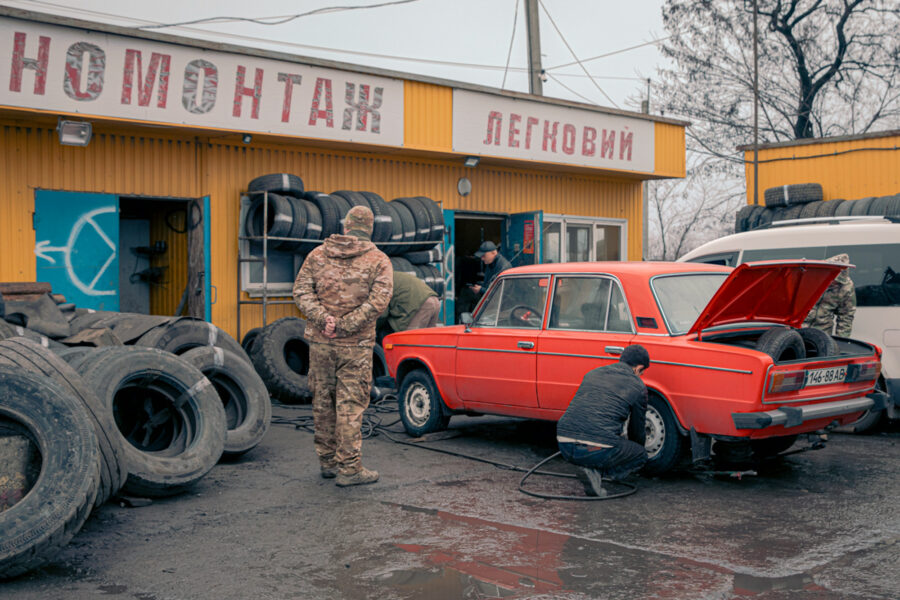
On both sides of the street, under the neon lights of military surplus shops, exhausted soldiers talk, smoke, and hustle about their business.
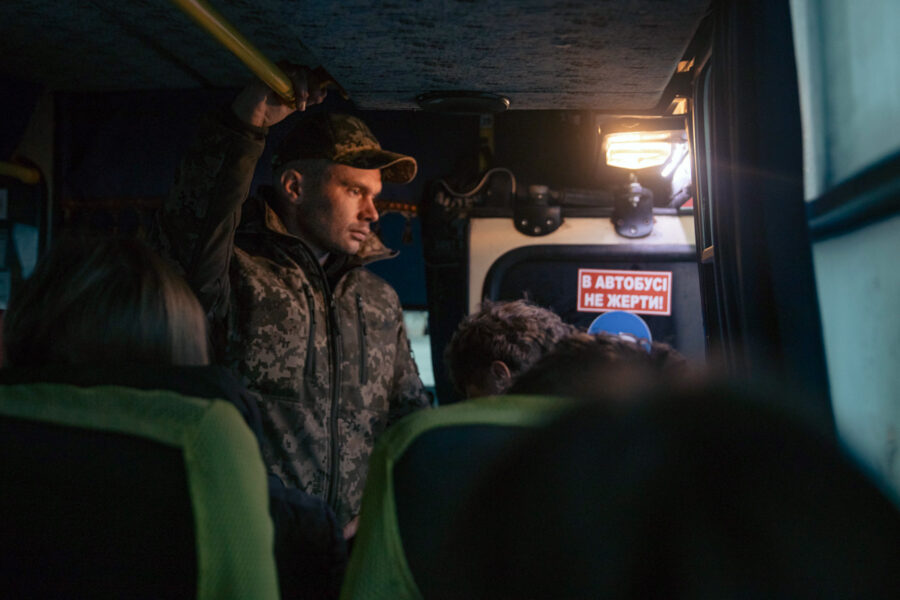
Located roughly 60 miles from the Russian positions in the Dnipro oblast, Pavlohrad is currently one of the backbone hubs of Ukraine’s defense of the Donbas, on the country’s eastern border with Russia.
At the wheel of his car, Lev, 30, a commander in the 59th Brigade, takes a long drag from his raspberry-flavored vape. He is in Pavlohrad to repair a bomb-carrying drone.
A thin blanket of fog has settled over the countryside — the best moment, Lev says, to reach the front line without drawing the attention of Russian kamikaze drones.
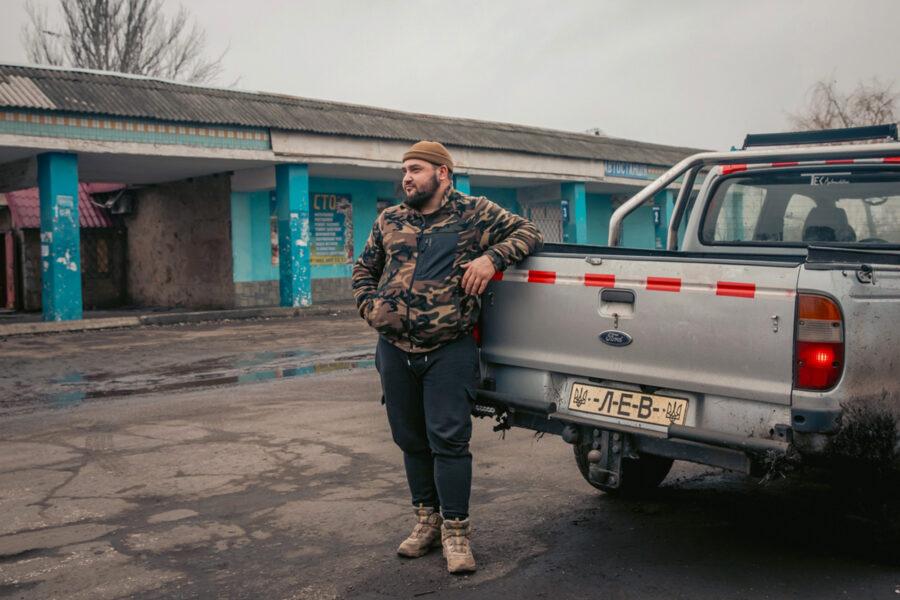
Lev’s men are based at a small farm in Dnipro oblast, about 20 kilometers from enemy positions. They are located at the edge of what soldiers call the “kill zone,” the 12-mile stretch from the nearest point of active fighting, where any movement, constantly monitored by Russian drones, can be your last.
Lev says he has not slept in three days, and he is running on Red Bull. The car radio rolls through the day’s news. Pokrovsk, a city he spent the last year defending, is about to fall to the Russians. From Lev’s perspective, the 28-point peace plan that US President Donald Trump has pushed through US special envoy Steve Witkoff looks very much like a capitulation.
The proposal faced significant pushback from Ukrainian and European leaders. Still, in a meeting between Ukrainian and US delegations on November 30 in Florida, US Secretary of State Marco Rubio called the Trump plan “productive,” while admitting “a lot of work remains to be done.”

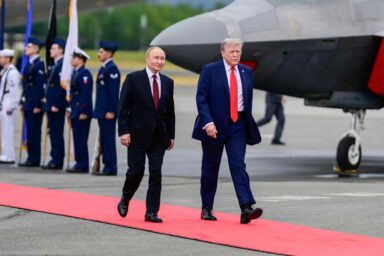
For Lev, it feels like starting from zero again — part of the endless circus that began when Trump returned to the White House last November. “Trump promised a lot and did not deliver. Look where we are now. The war continues, and the Russians advance. So we don’t really listen to what Trump, [French President Emmanuel] Macron, or [Ukrainian President Volodymyr] Zelenskyy say anymore. We focus on our work.”
No Capitulation
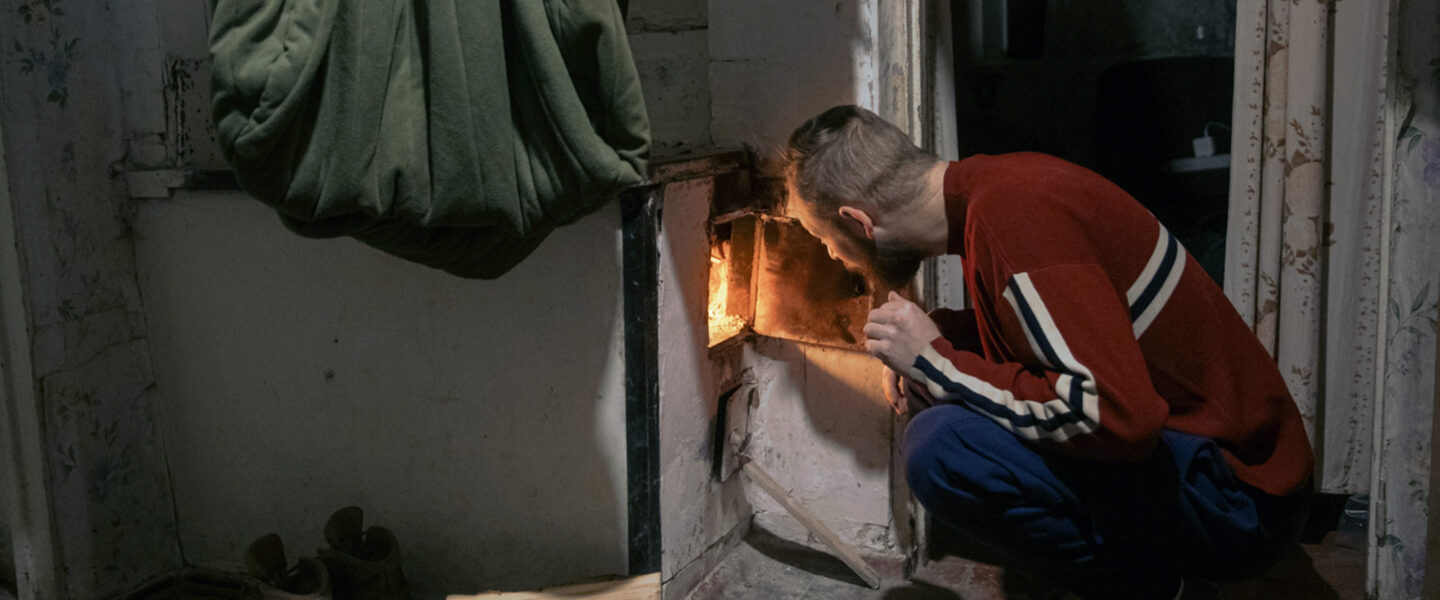
It is not yet four in the afternoon, but a thick, fog-wrapped darkness has already fallen over the small farm where the men of the 59th Brigade operate. With headlamps strapped to their foreheads, they work quickly. A soldier loads the trunk of a car with bombs that still need to be armed. Another soldier checks the tires, the bodywork, and the engine.
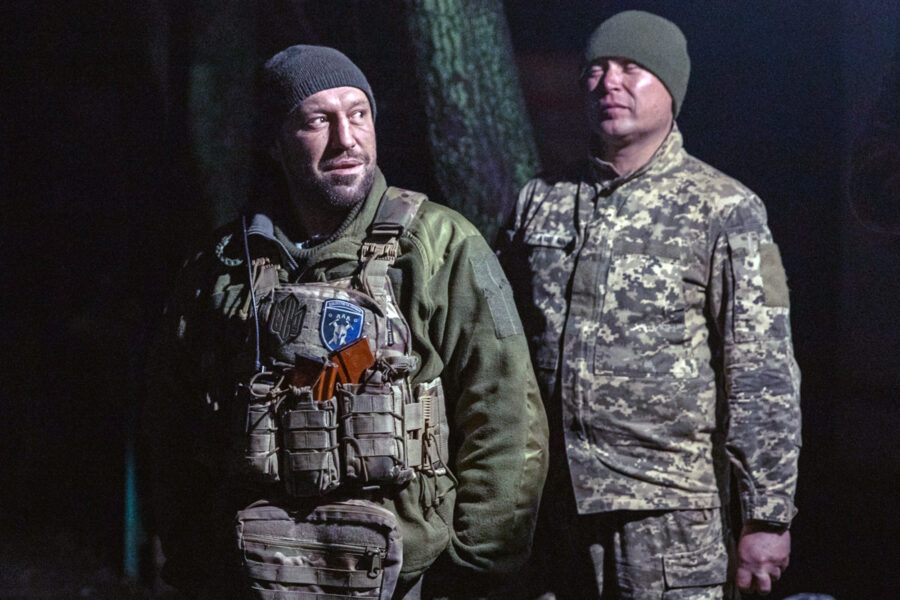
Tonight, Valentin, a 45-year-old soldier, is in charge of resupply. He has just come from another position. Breathless and tense, he curses between cigarettes. His unit holds one of the salient positions around Pokrovsk. They have spent more than six months on this front, and they are slowing the Russian advance as best they can, but they know that it may not be enough.
Pressure from the Trump administration has not lessened their will to fight. But several admit that when Trump speaks, they prefer to avoid the news entirely. A soldier in the 59th, nicknamed Raccoon, says Trump’s thinly veiled sympathy for Russia — along with the unpredictability of his actions — has impacted Ukrainian morale, which was already under pressure: “We know the Americans will not give us a kopeck, not a cent. But seeing Trump act this way toward us is depressing. He makes it seem as if we are worth nothing.”
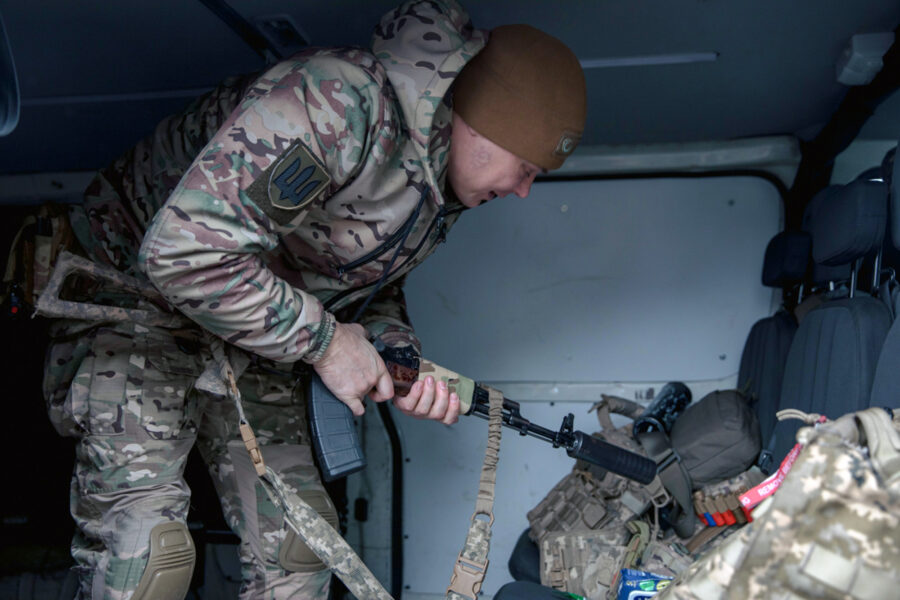
The conversation quickly heats up. Valentin, loading ammunition magazines into the pouches on his body armor, lashes out at a fellow soldier.
“You really think Putin will stop at the Donbas?” he shouts. Another soldier fires back, “What if giving up Donetsk and Luhansk can end the war?” Faces tighten. The cold stiffens their hands.
Valentin explodes: “They said the same about Crimea. And look where we are. And what about Zaporizhzhia? My family is under occupation. What do we do? Leave them to the Russians?”
Lev, his commander and 15 years younger, tries to calm the situation. He puts an arm around Valentin’s shoulders, offers him a cigarette, and in a steady voice brings the discussion back to the only thing they really have any control over: stopping the Russians.
The Russian Advance
In Pavlohrad, 60 miles from the front line, civilians and refugees from the east also follow the diplomatic maneuvers that will have an impact on their future. Their reactions mix defiance with fragile hope, and deep anxiety. Zhenya, a young local entrepreneur, wonders what will come next.
“Every morning, the first thing I do is check the Russian advance on the map,” he says. “They are advancing slowly, but if they get close enough, they will be able to use glide bombs on our city.”
At 21, Zhenya hasn’t been mobilized yet. He hopes the war will end quickly, regardless of the concessions that may be necessary.
“I like living here, but I have a five-year-old daughter and a wife. Sometimes they beg me to leave the city. So I hope the war ends as soon as possible.”
Life in Pavlohrad has already changed. Since the Russian advance toward Pokrovsk, the city has turned into a massive military garrison.
Alina, a Pavlohrad native, is also worried. With her husband, Okeksandr — just back from the front — and their two children, she is leaving for a short vacation. Maria, the youngest, turns five today.
“Since the Russians surrounded Pokrovsk, life here has completely changed. Housing prices have exploded with all the soldiers and refugees arriving. And the Russians keep bombing us. Not a week goes by without a strike, whether from Shahed drones or ballistic missiles. It is very hard on morale. That is why we are going west for a few days.”
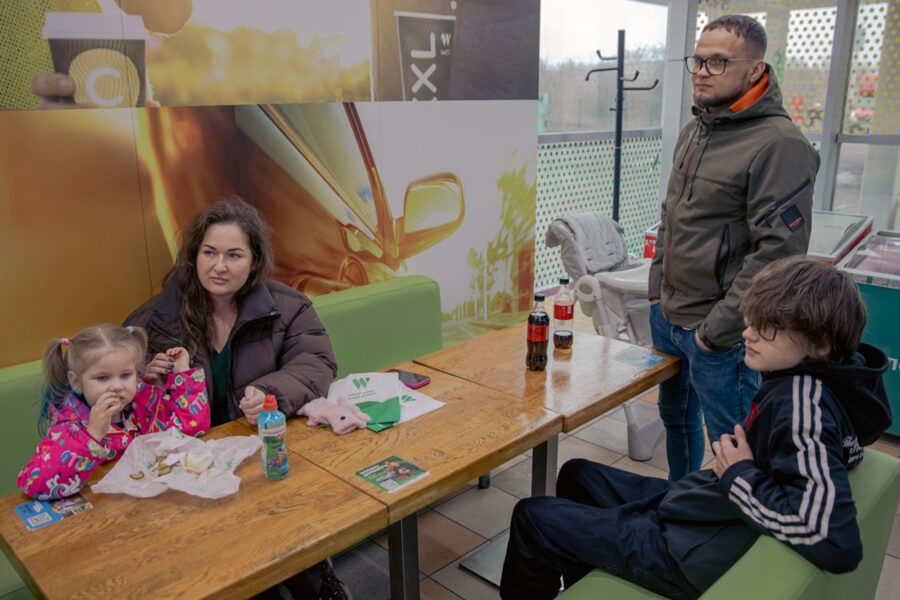
Oleksandr lifts his five-year-old daughter onto his lap. Her face is covered in makeup. “Her birthday present,” Alina says with a smile. With a somber expression, Oleksandr adds softly, “We just hope for peace soon. We do not know yet what that peace will look like, but at least a peace where our children do not wake up screaming every night because of the bombings.”