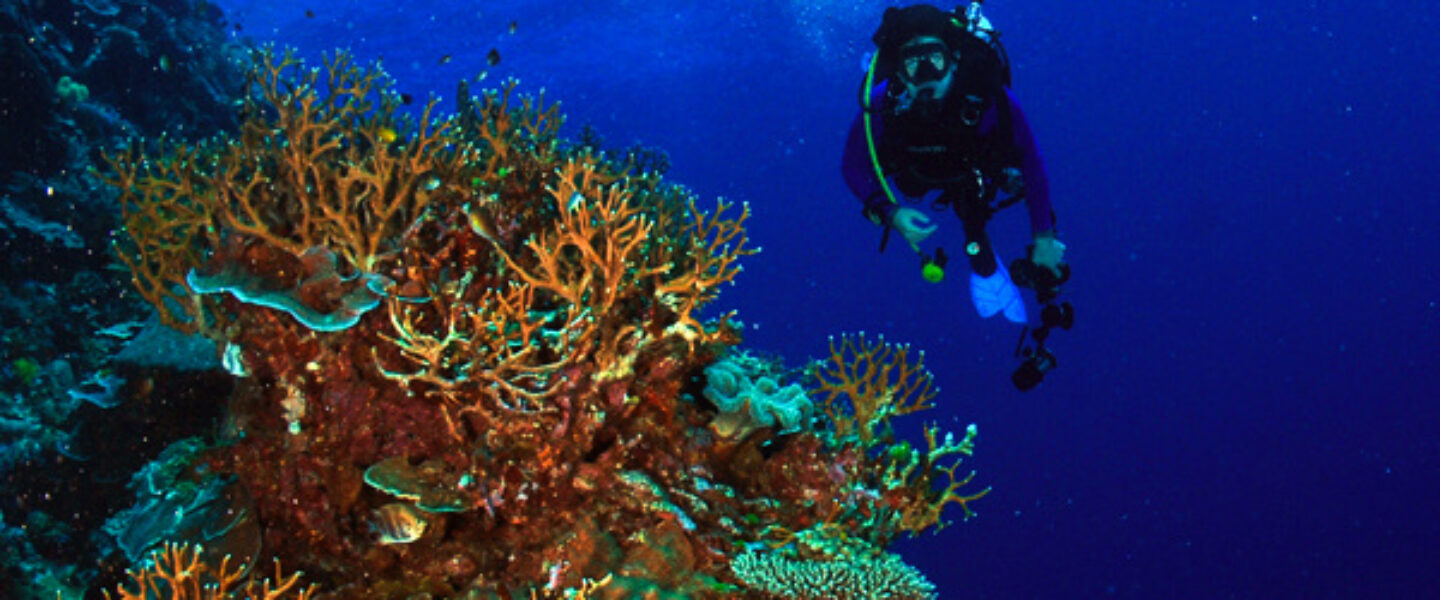
UN Biodiversity Treaty To Protect 30% of Oceans by 2030 Now in Force
PICKS are stories from many sources, selected by our editors or recommended by our readers because they are important, surprising, troubling, enlightening, inspiring, or amusing. They appear on our site and in our daily newsletter. Please send suggested articles, videos, podcasts, etc. to picks@whowhatwhy.org.
|
Listen To This Story
 |
UN Biodiversity Treaty To Protect 30% of Oceans by 2030 Now in Force (Maria)
The author writes, “A landmark global treaty to safeguard biodiversity in the high seas came into effect on Saturday, providing countries with a legally binding framework to tackle threats such as overfishing and meet a target to protect 30% of the ocean environment by 2030. The UN treaty, also known as Biodiversity Beyond National Jurisdiction … will allow the creation of a global network of ‘marine protected areas’ in vast and previously unregulated ocean ecosystems in international waters.”
Why Trump’s Options Are Limited When It Comes To Using Force Against Iran (Sean)
From The Guardian: “Donald Trump may be unafraid to use military force against Iran, according to the White House, but the reality is the US president has few to no options that could obviously help that country’s protest movement, never mind the fact that the history of US intervention in the region has hardly been a success. Emboldened by the seizure of the erstwhile Venezuelan leader Nicolás Maduro, after an operation that took months of planning, Trump talked up military intervention against the Iranian regime with no military pre-positioning having taken place. In fact, there has been a drawdown in the last few months, reducing military options further.”
Minneapolis Church Has Delivered More Than 12,000 Boxes of Groceries To Families in Hiding (Dana)
From MPR: “Since federal immigration enforcement began in December, mutual aid networks have popped up across the state to support immigrant families. A church in south Minneapolis has been a hub for delivering groceries. Iglesia Dios Habla Hoy serves primarily Hispanic families, but their community has grown. In total, they’ve delivered more than 12,000 boxes of groceries over about six weeks.”
Device That May Be Tied To Havana Syndrome Obtained by US Government (Reader Jim)
From CBS News: “The U.S. government quietly acquired a device in late 2024 that officials believe may be connected to the debilitating condition known as Havana Syndrome, which more than 1,500 American officials have reported experiencing since 2016, according to multiple sources briefed on the matter who spoke with CBS News. The device was purchased clandestinely in the final weeks of the Biden administration by the Department of Homeland Security’s Homeland Security Investigations division, using Pentagon funding that exceeded eight figures, according to two people familiar with the matter. The device is portable, backpack-sized, and contains components of Russian origin, the two people said.”
Critical Minerals Are Hiding in Plain Sight in US Mines (Mili)
The author writes, “Researchers found that U.S. metal mines already contain large amounts of critical minerals that are mostly going unused. Recovering even a small fraction of these byproducts could sharply reduce dependence on imports for materials essential to clean energy and advanced technology. In many cases, the value of these recovered minerals could exceed the value of the mines’ primary products. The findings point to a surprisingly simple way to boost domestic supply without opening new mines.”
Monkeys, Memes and Mystery: Did St. Louis’ Viral Primates Ever Really Exist? (Reader Steve)
The author writes, “Nearly a week after reports of vervet monkeys roaming in north St. Louis first surfaced, the city is still obsessed with the ‘monkey mystery.’ What began as neighborhood sightings quickly exploded into a viral phenomenon, spawning memes, late-night jokes and even chocolate treats, but one central question remains unanswered: were the monkeys ever real?”