Solar Energy Is Outpacing Coal in the US for the First Time
PICKS are stories from many sources, selected by our editors or recommended by our readers because they are important, surprising, troubling, enlightening, inspiring, or amusing. They appear on our site and in our daily newsletter. Please send suggested articles, videos, podcasts, etc. to picks@whowhatwhy.org.
|
Listen To This Story
 |
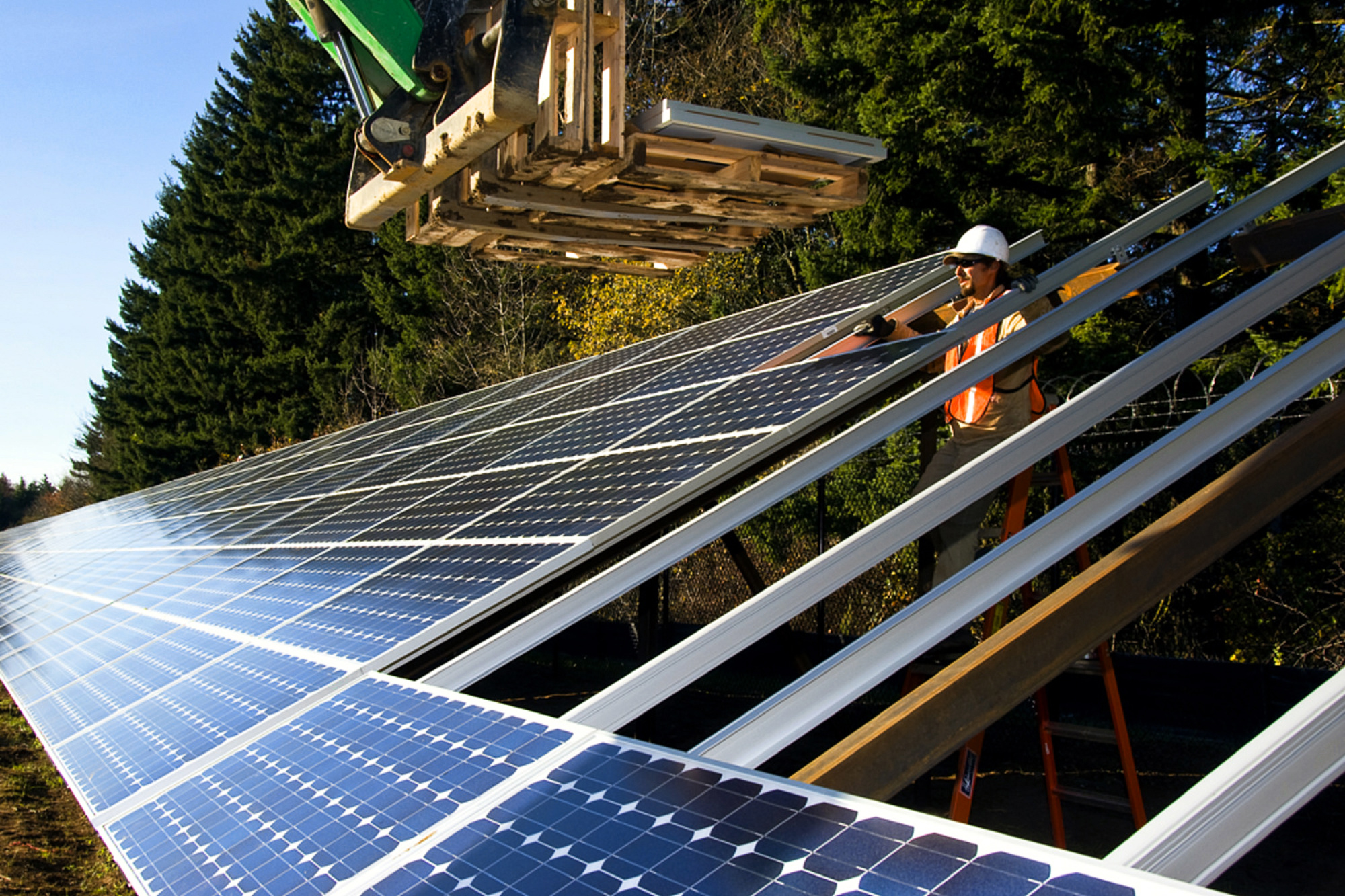
Solar Energy Is Outpacing Coal in the US for the First Time (Maria)
The author writes, “Solar energy just provided more electricity in the U.S. than coal for the first time on record — marking a milestone for the rise of renewables in America. While gas and nuclear plants still lead the country’s energy mix, solar contributed 12.8% of the nation’s electrons in May, according to an analysis of government data by Ember, an energy think tank. Coal, meanwhile, provided just 12.2%. Just five years ago, solar was less than half of its current levels. … The turnaround comes even as political headwinds have shifted against renewable energy.”
86 kids. 3 adults. (Bethany)
The author writes, “Over the past week, news articles started popping up about one of the most disturbing child care stories I have heard in a long time — an unlicensed child care home was discovered with 86 children and three adults inside.”
Google’s New AI-Fueled Search Bar Threatens to Further Upend Journalism Industry (Reader Jim)
From Truthout: “Google made an announcement last month that could turn the journalism world upside down, accelerating the internet’s shift toward an overwhelmingly AI-driven landscape and serving the Trump agenda of media suppression. At its developer conference in May, the company announced the most disruptive changes to Google Search in over 25 years. Google Search will further demote its index of the web — a list of links that information-seekers can explore as they choose. Instead of prominently displaying links, it will increasingly become a destination that answers questions directly through AI, linking only to the sources it decides to reference in its overview. …In practical terms, this means users of the world’s largest search engine will see, in response to their queries, a summary generated by an AI bot developed by a corporate behemoth with close ties to the Trump White House.”
Costco Sees Record Demand For Gas Since Middle East War (Reader Steve)
From The Seattle Times: “As war in the Middle East pushes up fuel prices, Costco is seeing more demand than ever for its discounted gas. In the third fiscal quarter, which runs from mid-February to mid-May, Costco said its gas sales set successive records, with the final five weeks of the quarter being the highest in the company’s 50-year history. Costco stations saw so much demand over that period that trucks had to deliver gas to the same locations multiple times a day, CEO Ron Vachris said during an earnings call last month. The lower prices drove many members to use Costco gas for the first time that quarter.”
Large Study Finds No Link Between mRNA COVID Vaccine in Pregnancy and Autism (Mili)
The author writes, “Researchers tracked more than 400 toddlers to see whether mRNA COVID-19 vaccination during or just before pregnancy was linked to autism or developmental delays. After detailed assessments of speech, motor skills, behavior, and social development, they found no meaningful differences between vaccinated and unvaccinated groups. Experts say the results provide strong reassurance about vaccine safety in pregnancy.”
Phaselis: The 2,700-Year-Old Ancient City Where Travelers Swim Through History (Dana)
From Arkeonews: “Phaselis ancient city is one of the most unusual archaeological destinations on Türkiye’s Mediterranean coast, not because its ruins stand apart from nature, but because they seem to grow directly out of it. Set near Tekirova in Antalya’s Kemer district, the ancient port lies between pine-covered slopes, the Beydağları mountains, and three sheltered bays that once made the city a maritime power. For modern travelers, Phaselis offers something few ancient cities can: the chance to walk along a Roman street, pass aqueducts and agoras, then step into the same turquoise waters that carried merchants, soldiers, and sailors more than two thousand years ago. This is not only a visit to a ruin. It is a place where swimming can feel like moving through history.”