PICKS are stories from many sources, selected by our editors or recommended by our readers because they are important, surprising, troubling, enlightening, inspiring, or amusing. They appear on our site and in our daily newsletter. Please send suggested articles, videos, podcasts, etc. to picks@whowhatwhy.org.
|
Listen To This Story
 |
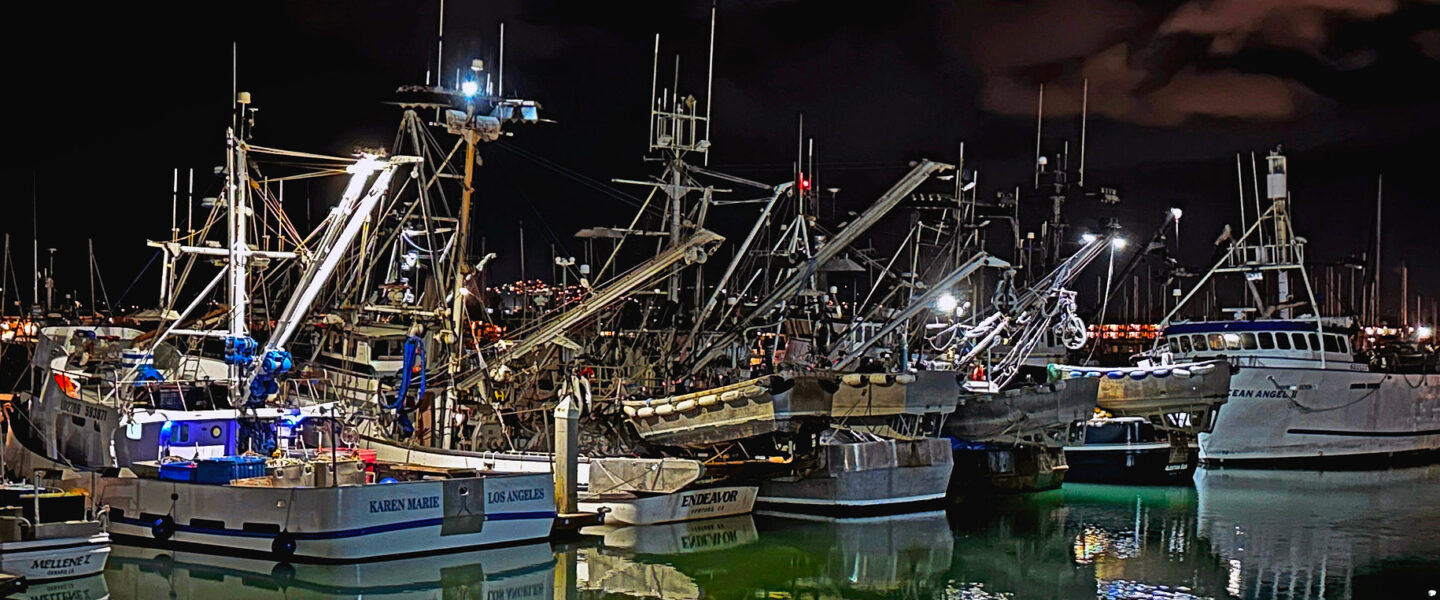
‘Mad Fishing’: The Super-Size Fleet of Squid Catchers Plundering the High Seas (Maria)
The author writes, “Just beyond Argentina’s maritime frontier, hundreds of foreign vessels — known as the distant-water fishing fleet — are descending on Mile 201, a largely ungoverned strip of the high seas in the South Atlantic, to plunder its rich marine life. The fleet becomes so big it can be seen from space. … The charity Environmental Justice Foundation has described it as one of the largest unregulated squid fisheries in the world, warning that the activities could destabilize an entire ecosystem.”
This Isn’t the First Killing by ICE — and It Won’t Be the Last (Sean)
From The Intercept: “A U.S. Immigration and Customs Enforcement officer shot and killed a woman in Minneapolis on Wednesday. Video and eyewitness testimonies have already circulated widely. There can be little doubt that this was a cold-blooded killing, for which there is no justification. … This is not the first ICE shooting, and it is not the first time a civilian has been killed during a vile anti-immigrant operation. According to gun violence investigations in The Trace, federal agents have shot people 14 times since last January, killing at least four; on multiple occasions, officers shot at people observing ICE raids and people attempting to drive away.”
Minnesota Could Prosecute the ICE Shooter. Trump Can’t Pardon Him. (DonkeyHotey)
From Slate: “Shortly after a U.S. Immigration and Customs Enforcement officer shot and killed a woman in Minneapolis on Wednesday, city leaders began looking into whether the officer had violated state criminal law. Minneapolis Mayor Jacob Frey said, ‘We collectively are going to do everything possible to get to the bottom of this, to get justice, and to make sure that there is an investigation that is conducted in full.’ … If they conclude that state law has been violated, the question is: What next? Contrary to recent assertions from some federal officials, states can prosecute federal officers for violating state criminal laws, and there is precedent for that.”
How To File Taxes for Free in 2026, After IRS Direct File Was Scrapped (Reader Steve)
The author writes, “IRS Direct File, a free online system for filing federal taxes, has been scrapped for 2026. Almost 300,000 people used IRS Direct File in 2025. So, are they out of luck, along with millions of others looking to file their federal returns for free this year? It depends. Free filing options remain, but some have restrictions. Eligibility will simply depend on individuals’ tax situations. … Here’s a quick rundown of some free tax filing options, including any accompanying restrictions.”
Utah’s Wildlife Don’t Seem Too Bothered By the Warmer Winter So Far (Dana)
From KUER: “Utahns, including the wildlife, have felt the unseasonably warm fall and the winter’s warmer temperatures. Normally, winter weather is the sign for many species to begin their yearly traditions. ‘Each year, we are seeing migrations for a lot of our species,’ said Faith Heaton Jolley, public information officer for the Utah Division of Wildlife Resources. In the short term, the warmer temperatures are actually helping wildlife more than they’re disrupting. One of the big reasons is access to food.”
Scientists Discover Oldest Poison, on 60,000-Year-Old Arrows (Mili)
The author writes, “Today it seems obvious: Dip a sharp object in a poisonous substance, and then use that weapon to take down your prey. But when did human beings figure out this deadly strategy? It remains as mysterious as the dawn of setting fires, building wheels and painting on caves. But a new study pushes back the timeline of this innovative hunting technique by tens of thousands of years.”