Can Florida’s Coastal Corridor Project Safeguard Wildlife and Boost Economy?
PICKS are stories from many sources, selected by our editors or recommended by our readers because they are important, surprising, troubling, enlightening, inspiring, or amusing. They appear on our site and in our daily newsletter. Please send suggested articles, videos, podcasts, etc. to picks@whowhatwhy.org.
|
Listen To This Story
 |
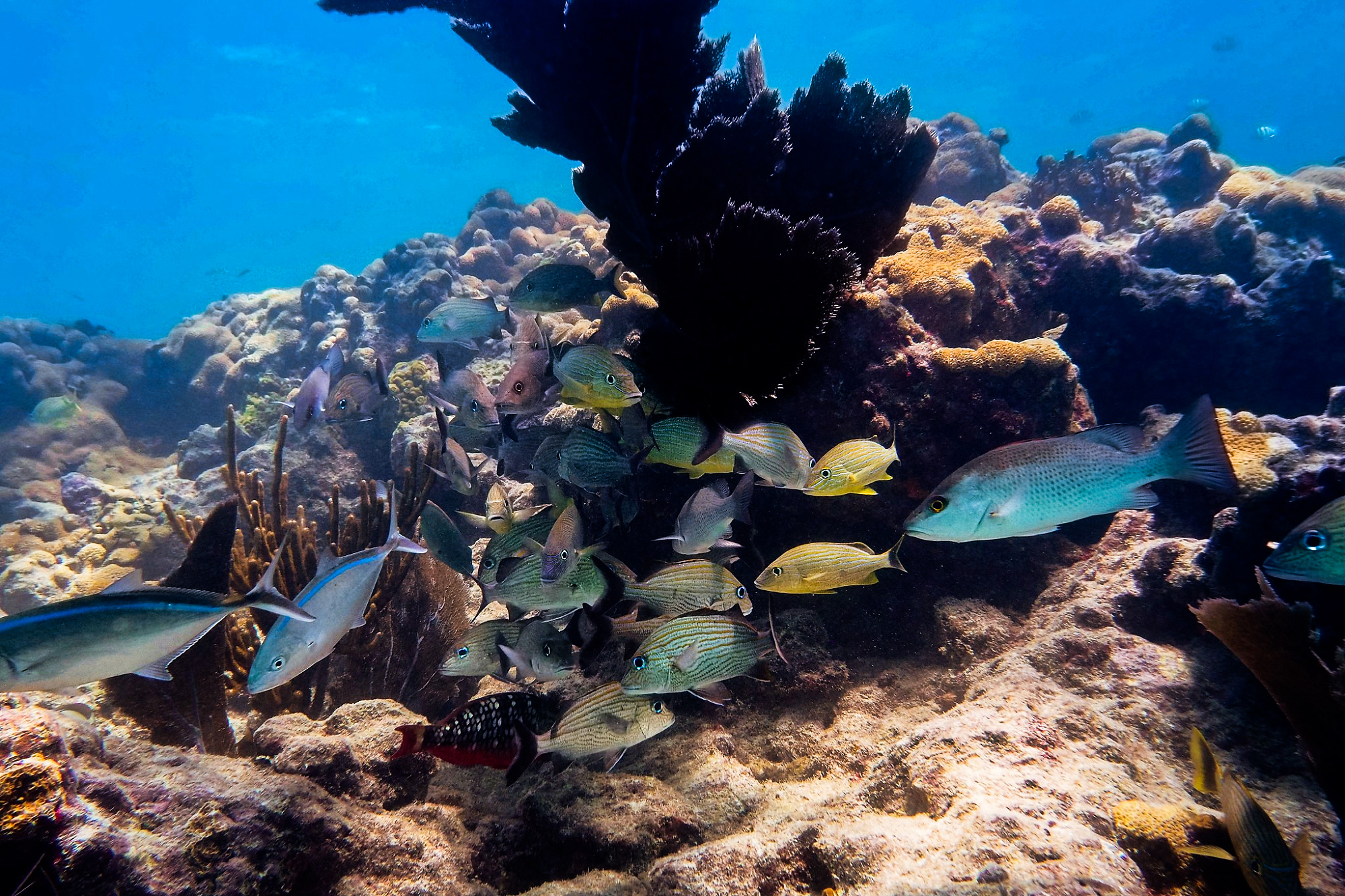
Can Florida’s Coastal Corridor Project Safeguard Wildlife and Boost Economy? (Maria)
The author writes, “From disappearing manatees to bleached coral reefs, gender-changing turtles and oyster beds destroyed by hurricanes, no other state’s marine life faces the climate-related challenges Florida does. Now, wildlife authorities are attempting to tackle the slate of issues by borrowing from a playbook that proved successful on land.”
How a False Nuclear Claim About Iran Ricocheted From India to Washington (Russ)
From The New York Times: “On the morning of Aug. 5, an anonymous account on X in India posted seemingly sensational news. The commander of Iran’s Islamic Revolutionary Guards Corps had vowed that his country would never give up its nuclear weapon ambitions as long as Israel and the United States possessed those weapons, the account said. It was not true, and there’s no evidence that the commander made the remark or that Iran has developed nuclear weapons. The claim soon caromed around the internet anyway.”
Hook and Squeeze (Reader Pat)
From On Data and Democracy: “If you’ve ever donated to a Democratic campaign, you know the messages never stop: ‘All hope is lost.’ ‘We’re BEGGING.’ ‘Quadruple-match EXPIRES in 180 MINUTES!’ They arrive at all hours, claiming to be ‘close to tears’ because you haven’t sent $15. Most of us dismiss them as annoying spam. But federal election records reveal a hidden population of seniors for whom these messages prove surprisingly effective. What reads as parody to one recipient may be psychologically triggering for another.”
US Navy Destroyer Adrift in South China Sea for Four Days After Losing Power (Reader Jim)
The author writes, “A US guided-missile destroyer reportedly spent four days adrift and without power in the South China Sea in July, furthering concerns about strain being placed on deployed military members. The USS Benfold, an Arleigh Burke-class guided-missile destroyer which had been sailing with the George Washington carrier strike group, was reported to have been towed to Subic Bay in the Philippines, according to the US Naval Institute News, an independent military publication.”
Universal Health Coverage Could Save $1 Trillion and 114,000 Lives Every Year, Yale Study Projects (Gerry)
From the Yale School of Public Health: “A single-payer universal health care system could cover every American, save more than 100,000 lives a year, and still cost $1 trillion less than the system it would replace, according to a new preprint study led by researchers at the Yale School of Public Health. For the study, which has not yet been peer reviewed, the researchers modeled what would happen if the United States adopted a national public insurance program like the one proposed in the Medicare for All Act. Using 2024 spending, insurance coverage, and mortality data, they estimate that the universal coverage would reduce annual health expenditures by $1.04 trillion, or nearly 20% — even after accounting for the additional care that uninsured and underinsured people would receive.”
Hiding Your Use of AI Is About To Get Much Harder — Thanks to Brussels (Bethany)
The author writes, “It can sometimes seem like half the world is busy secretly using AI — and the other half is busy calling them out. The AI detectors, human and otherwise, are about to get their biggest boost ever with new EU ‘watermarking’ requirements that came into effect this month, which could upend how internet users experience and engage with AI-generated images, videos and text.”
Hurricane Lala Brought Snow to Hawaii. How Is That Possible? (Dana)
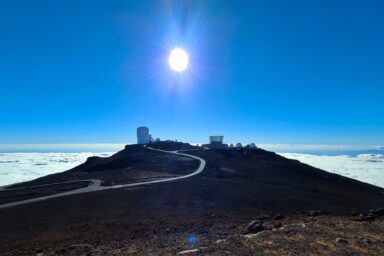
The author writes, “If your weather forecast card this [past] weekend had hurricane, flood, mudslide and snow all checked off at the same time, congratulations. You might have been looking at Hawaii. Hurricane Lala battered the islands with flooding rain, damaging winds and dangerous surf over the weekend. But while residents dealt with tropical storm conditions near sea level, something far more unusual was happening atop Mauna Kea, where snow fell on one of Hawaii’s tallest peaks. The bizarre sight quickly spread across social media and weather circles, leaving many people asking the same question: How can a hurricane bring snow to Hawaii?”