We Fell For It: How ICE’s ‘Mission’ Fits the Heroism Quest of Some Young Men
Nothing hardens a tribe like disdain.
|
Listen To This Story
 |
I’m a sucker for good advice. If someone says something to me and it resonates, it sticks. And recently, I got some good advice. It came calmly, almost generously, from an investor who has seen a lot of organizations succeed and fail.
He said he looked for people who wanted to be heroes, and then he let them be heroes.
He didn’t say this as manipulation. It was a recognition that people want meaning. They want a role that explains who they are and why they matter.
The best leaders understand this. And so do the most dangerous ones.
Donald Trump is extraordinarily good at identifying people who want to be heroes and handing them a script. You are the last line of defense. You are the ones doing what others are too weak to do. You are saving the country.
That advice stuck with me because it explains something we are watching play out in real time. Donald Trump is extraordinarily good at identifying people who want to be heroes and handing them a script. You are the last line of defense. You are the ones doing what others are too weak to do. You are saving the country.
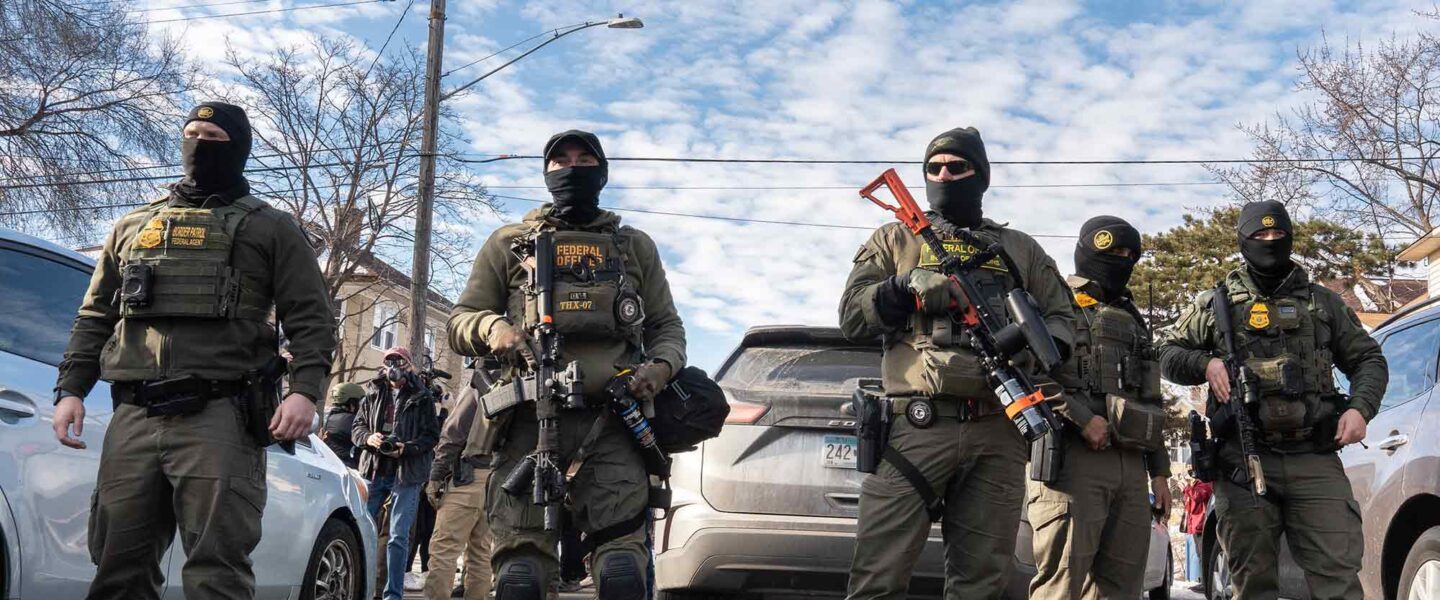
When those messages are paired with uniforms, authority, and moral certainty, they become intoxicating. This is why telling people that working for ICE makes them heroes is so effective. Not because it’s nuanced or even accurate, but because it answers a hunger many of us, especially young men, possess.
Because I’m an MMA fan, my feeds are full of UFC, jujitsu, boxing highlights, and training clips. And tucked right in among them are ads that say: Join ICE. Rid your country of evil criminals. The targeting isn’t accidental. Young men who train, compete, and test themselves physically are already oriented toward struggle, hierarchy, and proving worth. They’re oriented towards violence.

This is where MAGA has been brutally effective and Democrats have committed political malpractice with young men.
Young men respond to messages that tell them they can become something when they currently feel they are not. Give them a name, a mission, a tribe, and a moral frame, and they will endure hardship to keep it.
Once that identity is set (warrior this, savage that) it takes extraordinary moral courage to challenge the group from within, to resign, or to say, “Something about this is wrong.” Tribes punish that kind of dissent far more harshly than they punish quiet cruelty; and even if they don’t, they rely on the perception that they do to keep the ball rolling.
What makes this especially corrosive is that tribal identity is being sold deliberately, and young men are buying. And when the response from the other side is to call them monsters, pigs, or C-students, it doesn’t weaken the tribe. It strengthens it.
Insults don’t shame people out of an identity they’re willing to suffer for. They confirm the story they’ve already been told: They hate you because you’re strong; they mock you because they’re weak.
Wanna know what my SEAL platoon had, in Arabic, printed onto baseball hats to wear in Iraq?
“Infidel.”
We wanted to be scorned.
The Consequence of Contempt
There is a particular mistake embedded in contempt. Calling someone a failure might make you feel superior, but it often makes them feel superior too. Superior in resilience. Superior in toughness. Superior in loyalty. You are arguing credentials while they are arguing meaning, and meaning wins every time.
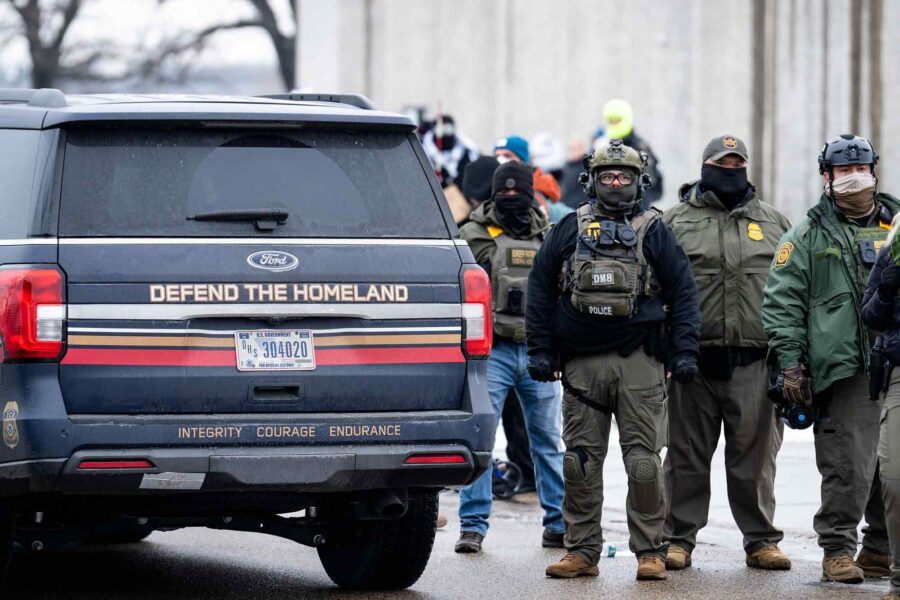
Finding people who want to be heroes in the United States of America is not hard. It’s one of the easiest things in the world. The harder question, the relevant moral question, is who gets to define what a hero actually is. When one side says, explicitly or implicitly, “You are anything but,” it leaves the field open for someone else to say, well, anything.
If we want different outcomes, we don’t need fewer young men who want to be heroes. We need more leaders willing to say: Yes, you can be strong, and you can matter, and you matter more if you don’t outsource your conscience to a tribe.
The investor’s advice was brilliant. Letting people be heroes is powerful. But it is also dangerous if you are careless with the definition. The difference between leadership and manipulation is not whether you harness aspiration; it’s whether you tell the truth about the cost, the limits, and the moral boundaries of the role you’re offering.
If we want different outcomes, we don’t need fewer young men who want to be heroes. We need more leaders willing to say: Yes, you can be strong, and you can matter, and you matter more if you don’t outsource your conscience to a tribe.
That is a harder sell. It always has been. But it is the only one that doesn’t end with people doing terrible things while sincerely believing they are the good guys.
As a service to our readers, we curate noteworthy stories through partnerships with outside writers and thinkers. Daniel Barkhuff, MD, is an emergency room physician and former Navy SEAL. This column has been adapted from Daniel’s Substack with the author’s permission.